Heart Failure: What It Means and How It Is Treated at Apollo CVHF, Ahmedabad
Breathlessness, Swollen Legs, Fatigue: Understanding Heart
Failure and Your Treatment Options
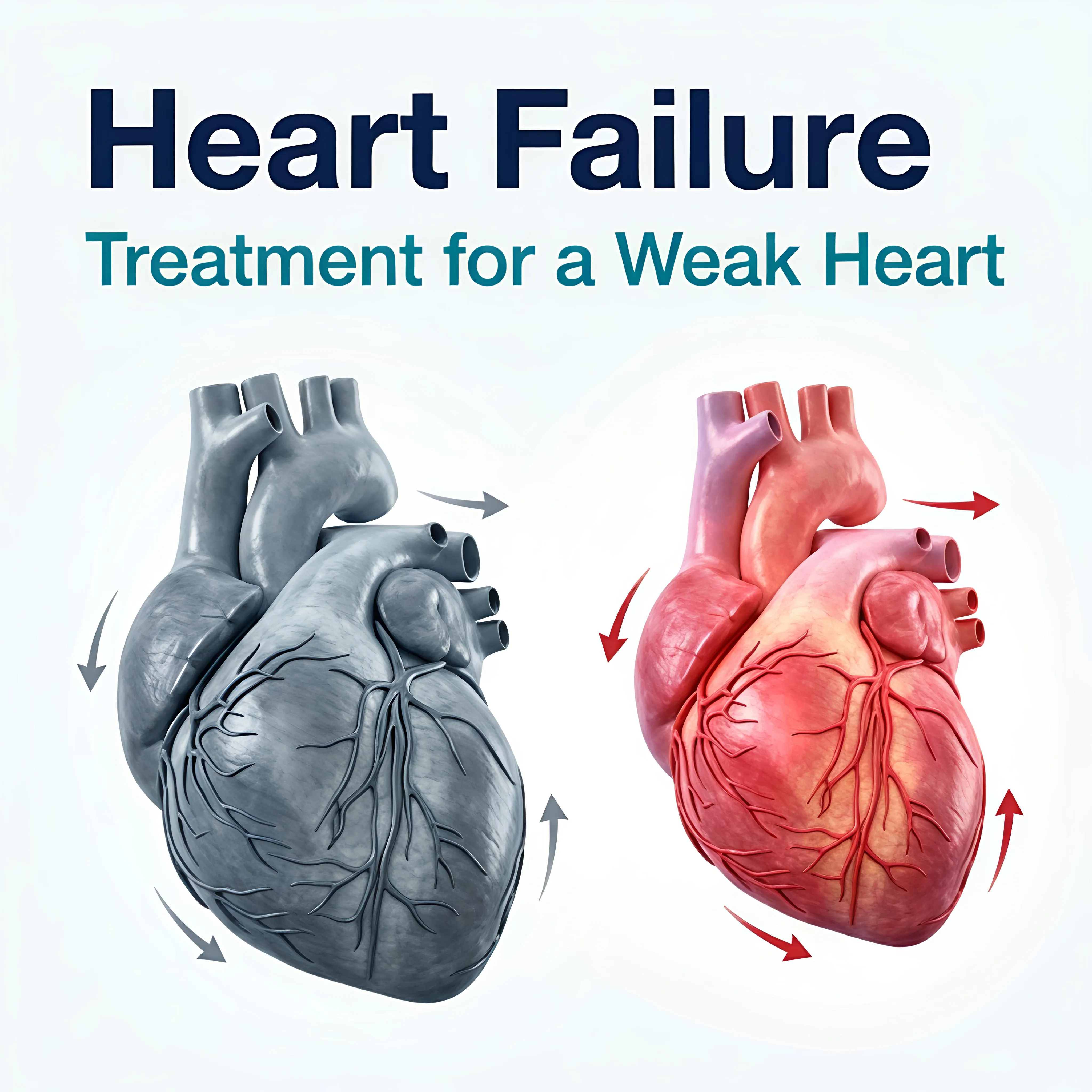
Heart failure does not mean the heart
has stopped. It means the heart is not pumping as efficiently as it should.
This distinction matters enormously because heart failure is manageable, and
many patients with the condition live full, active lives with the right
treatment.
What Does Heart Failure Feel Like?
The most common symptoms are
breathlessness and fatigue. Initially, most patients notice breathlessness on
exertion, such as climbing stairs or walking quickly. As heart failure progresses,
breathlessness can come with less activity, or even at rest or at night.
•
Breathlessness, especially
on exertion or when lying flat
•
Swelling in the ankles,
feet, and lower legs
•
Unexplained fatigue
disproportionate to activity
•
Reduced exercise tolerance
•
Rapid or irregular
heartbeat
•
Needing to sleep propped up
on extra pillows
What Causes Heart Failure?
•
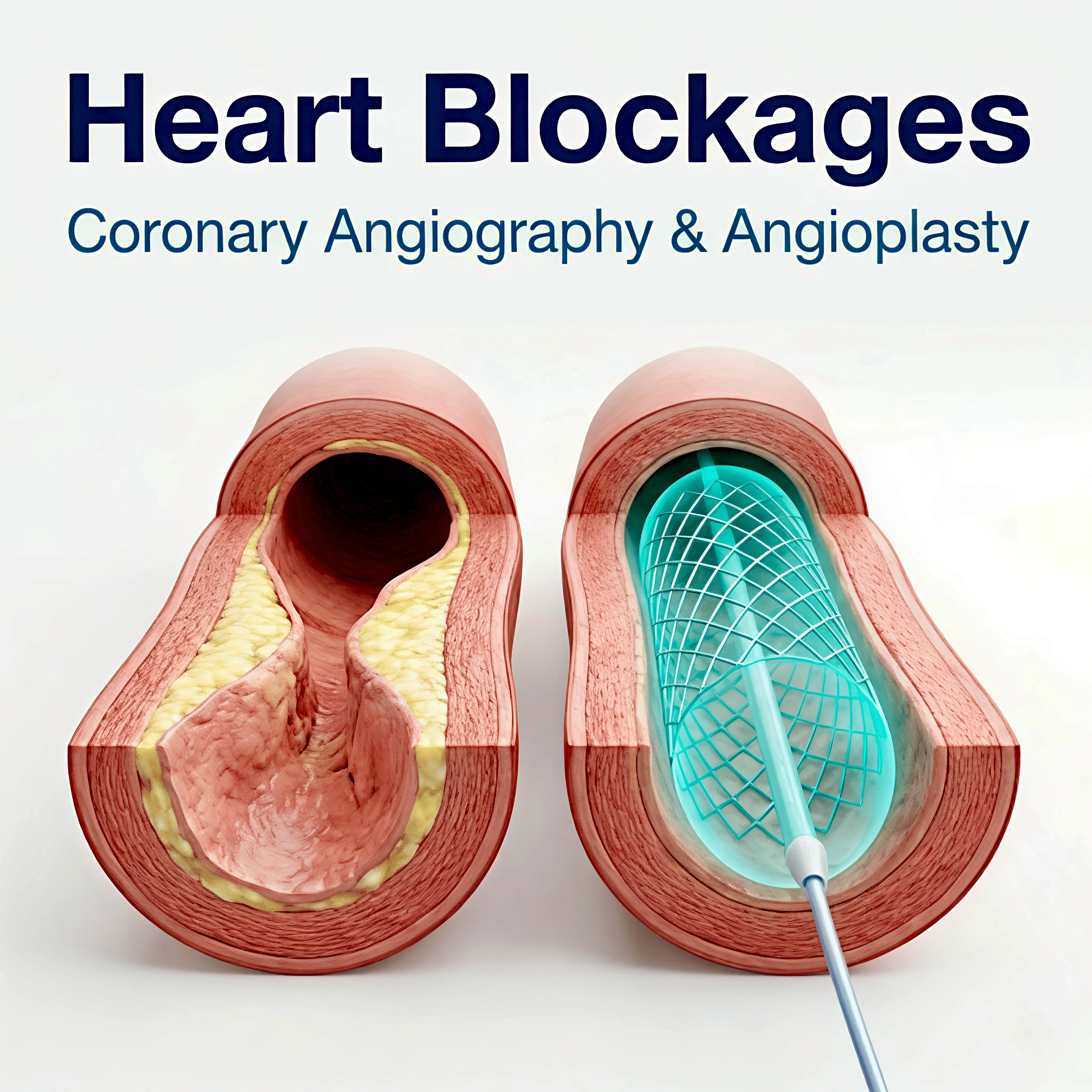
Coronary artery disease : blocked arteries and heart attacks that damage the heart muscle
•
High blood pressure : sustained elevated pressure causes the heart to thicken and weaken over time
•
Heart valve disease : leaking
or narrowed valves put an extra burden on the heart
•
Atrial fibrillation : impairs the heart's pumping efficiency
•
Diabetes : a major
contributor to both coronary disease and direct heart muscle effects
Treatment for Heart Failure
Heart failure treatment has
advanced significantly. The goals are to reduce symptoms, improve quality of
life, slow progression, and reduce the risk of hospitalisation.
Medications are the foundation of
heart failure management. Several classes of drugs have been shown to improve
outcomes significantly. Finding the right combination takes time and regularreview.
In patients where the two sides of
the heart beat out of sync, CRT (Cardiac Resynchronisation Therapy) device
implantation can coordinate both sides simultaneously. Many patients notice a meaningful improvement in breathlessness after CRT.
Treating the underlying cause, blocked arteries, a leaking valve, or an arrhythmia, is central to management
alongside medications.