High Cholesterol and Your Heart: What You Need to Know
How Elevated Cholesterol Builds Up in Your Arteries and How to
Protect Yourself
High cholesterol is one of the
most common and most controllable risk factors for heart disease. Like high blood pressure, it produces no symptoms until damage has already been done,
which is precisely why it needs to be actively monitored and managed, not
ignored until chest pain appears.
What Is Cholesterol and Why Does It Matter?
Cholesterol is a fatty substance
made naturally by the liver and obtained from some foods. The body needs
cholesterol for many functions, but when levels of certain types of
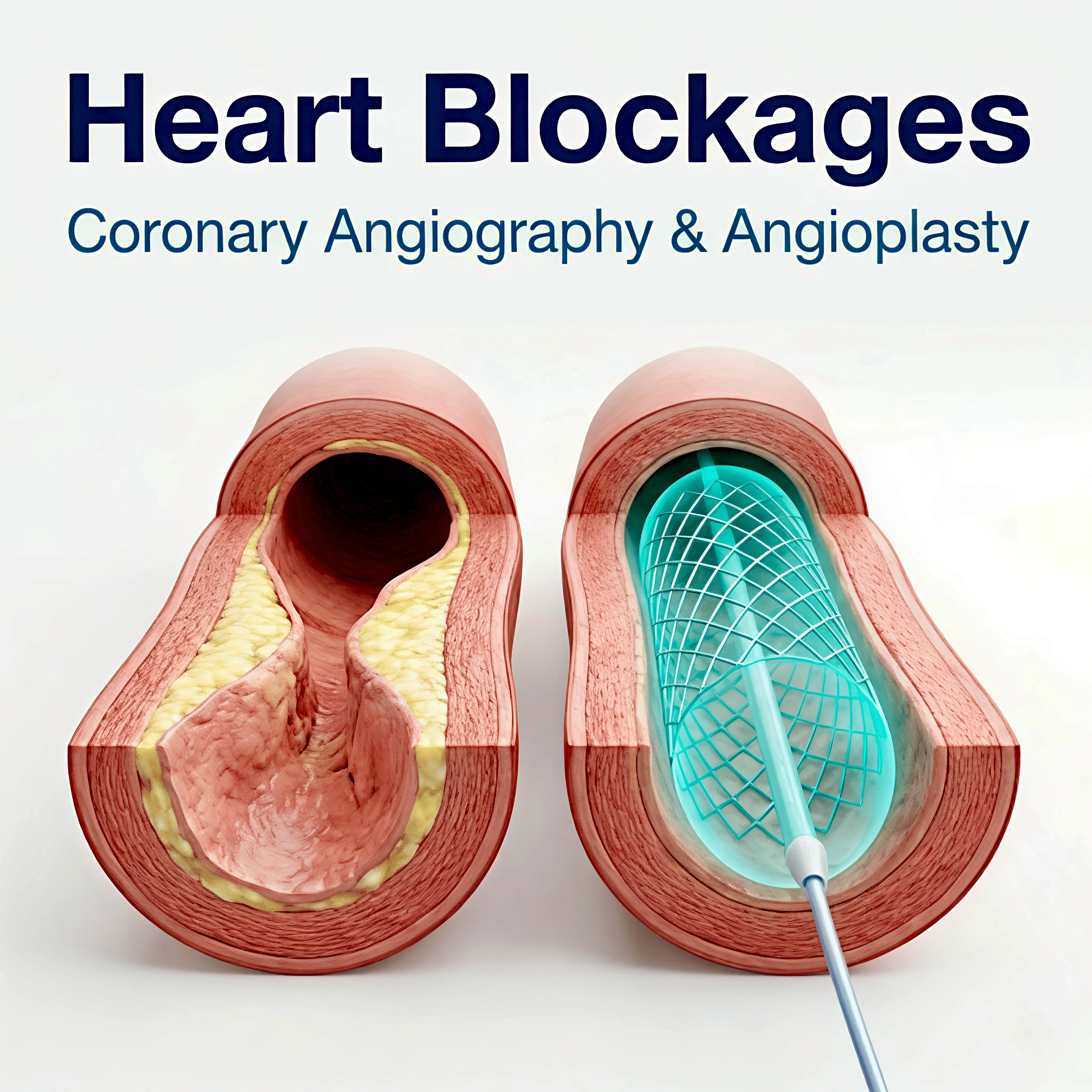
cholesterol are too high, they contribute to the build-up of plaques inside
artery walls.
There are two main types to
understand: LDL, often called 'bad' cholesterol, which deposits in artery walls and
drives plaque formation. HDL, or 'good' cholesterol, helps remove cholesterol
from the arteries. The goal of treatment is to lower LDL and, where possible,
raise HDL.
How Does High Cholesterol Damage the Heart?
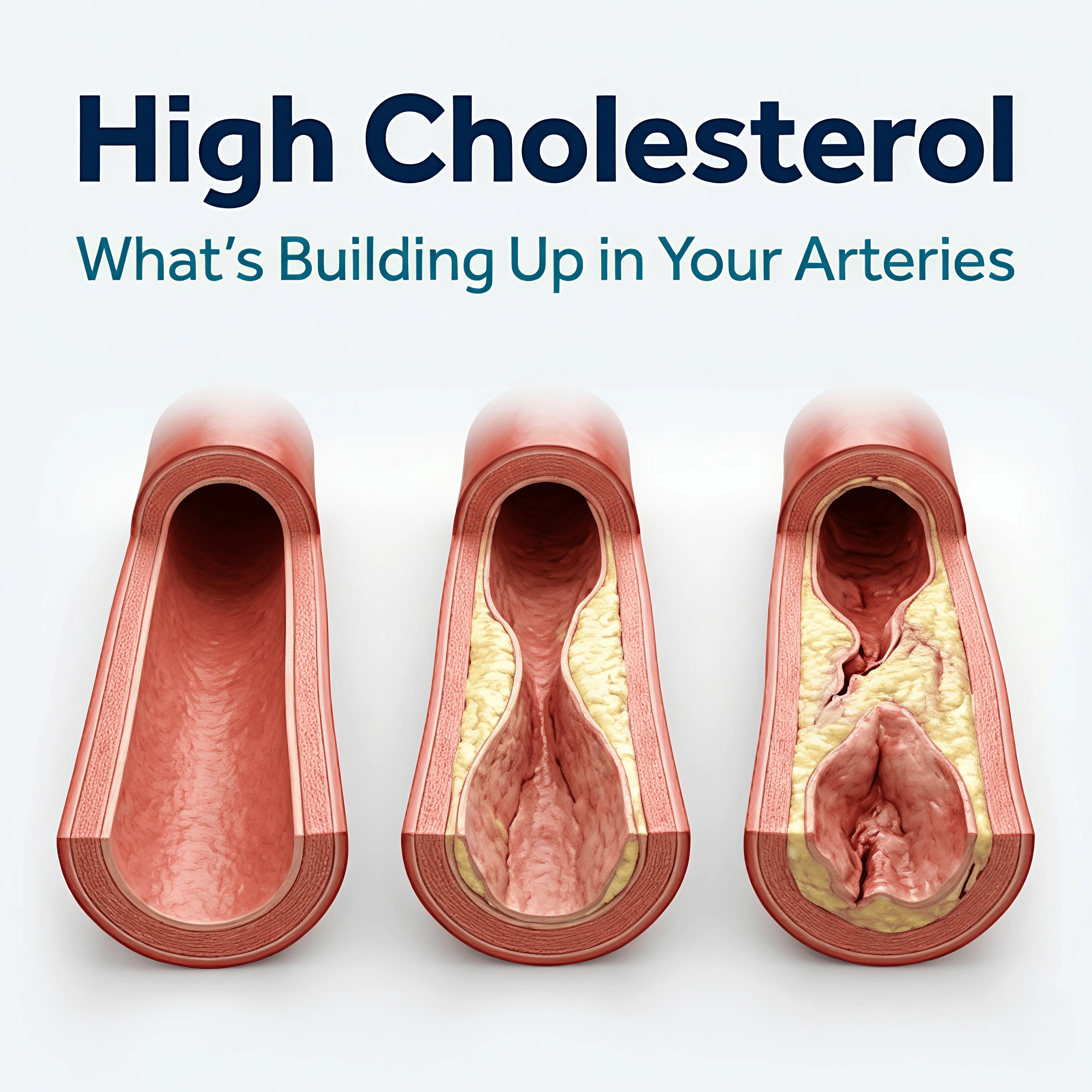
As LDL cholesterol deposits in the
walls of the coronary arteries, plaques grow. Over time, these plaques narrow
the arteries, reducing blood flow to the heart muscle. When a plaque becomes
unstable and ruptures, a blood clot forms rapidly on the surface, potentially blocking
the artery completely. This is how most heart attacks happen.
The process is slow, silent, and
starts decades before any symptom appears. This is why screening, particularly
for those with risk factors, matters.
Who Is at Higher Risk?
•
Family history of high
cholesterol or early heart attacks (a first-degree relative under 60)
•
Diabetes significantly
worsens cholesterol metabolism
•
Hypothyroidism , underactive thyroid, raises LDL
•
Obesity and physical
inactivity
•
A diet high in saturated
fat and processed food
•
Smoking lowers HDL and
worsens artery damage
Management of High Cholesterol
Lifestyle change, diet, exercise, and weight reduction are the foundation and make a genuine difference. For most
patients with significantly elevated LDL or with additional cardiac risk
factors, medication is also needed. Statins are the most widely used and
evidence-based class of cholesterol-lowering medication. Newer agents are
available for patients who cannot tolerate statins or whose cholesterol is not
adequately controlled.
The goal is not simply to lower a
number on a blood test it is to reduce the long-term risk of heart attack and
stroke. Our team will set an individualised LDL target based on your overall
risk profile.
|
If
you have high cholesterol and a family history of early heart disease, a CT
coronary angiography is one of the most effective ways to assess whether the
arteries have already been affected. |