Surgical Heart Valve Repair and Replacement Apollo CVHF, Ahmedabad
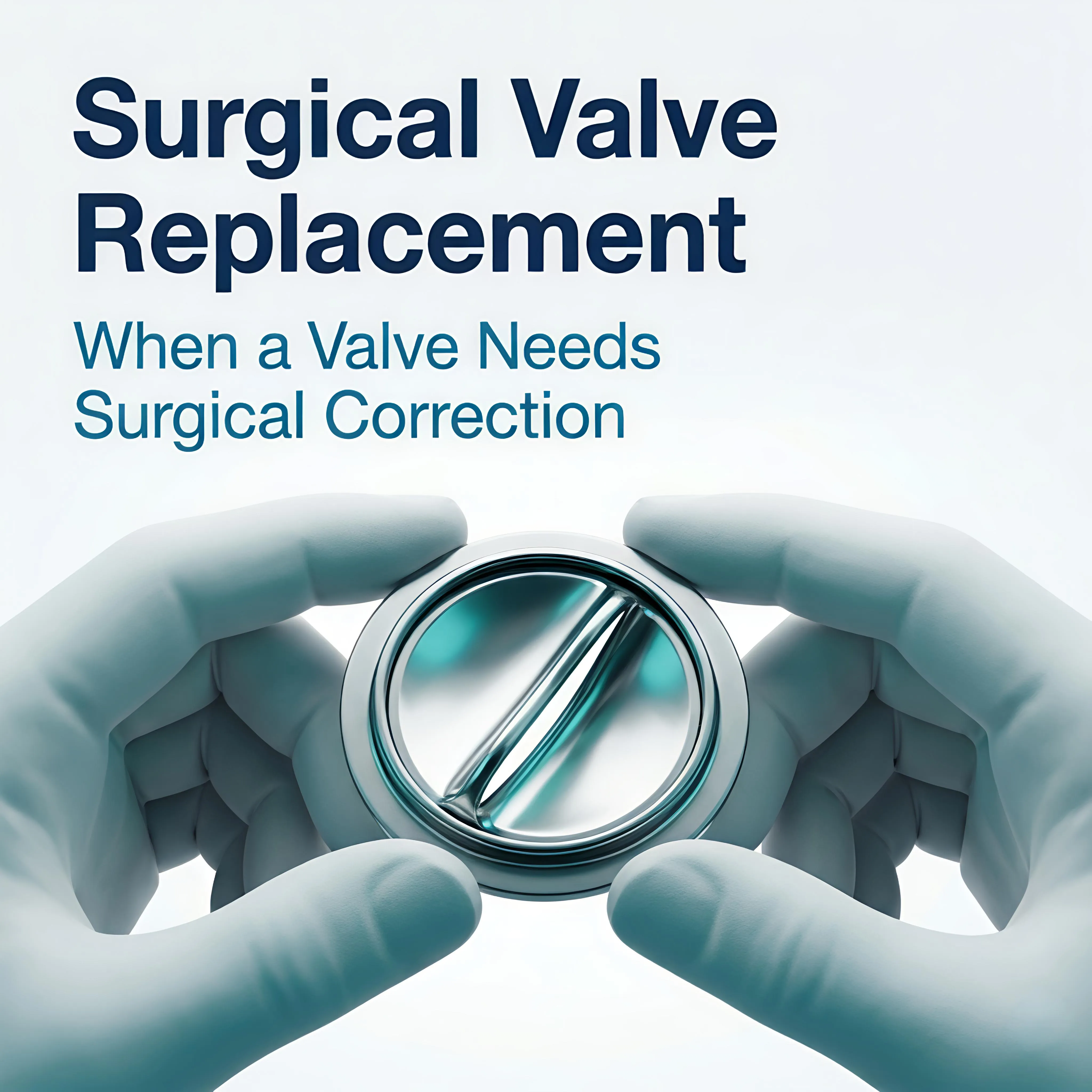
When a Valve Needs Surgical Correction: Understanding Your
Options
The heart's four valves, aortic,
mitral, pulmonary, and tricuspid, open and close with every heartbeat to keep
blood flowing in the right direction. When a valve is diseased or damaged, the
heart has to work harder to compensate, and over time that workload takes its
toll. When the disease is severe enough to warrant intervention and when catheter-based
options are not appropriate, surgical valve repair or replacement is the
treatment.
Repair or Replacement: What Is the Difference?
Wherever possible, our cardiac
surgery team aims to repair the native valve rather than replace it. A repaired
valve tends to last longer than a prosthetic replacement, avoids the need for
long-term blood thinners in most cases, and preserves the valve's natural
function more closely.
Repair is most commonly possible
for the mitral valve, where the surgeon can reshape or reconstruct the valve
leaflets and supporting structures. For aortic valve disease, repair is less
commonly possible and replacement is more often required.
Types of
Replacement Valve
The choice between a mechanical and
tissue valve is a significant decision that depends on your age, other medical
conditions, lifestyle, and tolerance for long-term anticoagulation. Our teamwill go through the options with you in detail.
•
Mechanical valves durable
and designed to last a lifetime, but require lifelong anticoagulation (blood
thinners) to prevent clotting. Generally preferred for younger patients.
•
Tissue (bioprosthetic)
valves made from animal tissue feel more natural, and do not require
long-term anticoagulation in most cases. May need replacement after 10–20
years. Generally preferred for older patients or those who cannot safely take
blood thinners.
What Does the Surgical Procedure Involve?
Surgical valve repair or
replacement is performed under general anaesthesia through an open chest
approach (sternotomy) in most cases. The heart is temporarily stopped and the
heart-lung bypass machine takes over during the operation. The surgeon accesses
the valve directly and either repairs the existing structure or removes it and
sews in the replacement.
The operation typically takes 2–4
hours. Most patients spend 1–2 days in the cardiac ICU followed by 4–6 days on
the ward. Recovery at home continues over 6–8 weeks, with progressive return to
normal activity.
For patients with aortic valve
disease who are not suitable for open surgery, TAVI offers a catheter-based
alternative. For suitable patients with mitral regurgitation, MitraClip is
available. Our team will assess whether a catheter-based approach is an option
before recommending surgery.
|
If
you have been told you need valve surgery and want a second opinion, bring
your echocardiogram and any other reports to Apollo CVHF. Our structural
heart and surgical teams work together to give you the most complete
assessment of your options. |