
The Definitive Medical Guide to Heart Attacks and Cardiac Arrests: Understanding the Difference and Saving Lives
Medically authored and audited by Dr. Kulin Sheth, Interventional Cardiologist
Quick Answer
A heart attack and a cardiac arrest are two distinct medical emergencies that require completely different immediate responses. A heart attack (myocardial infarction) is a "plumbing" problem; it occurs when blood flow to a part of the heart muscle is blocked. The person is usually awake and responsive. Conversely, a cardiac arrest is an "electrical" problem; it occurs when the heart suddenly stops beating due to an electrical malfunction that disrupts its normal rhythm. This causes the person to collapse suddenly, lose consciousness, and stop breathing.
While they are different conditions, they are closely linked: a severe heart attack can trigger a cardiac arrest. Immediate treatment for a heart attack involves restoring blood flow, often through angioplasty or medication. For cardiac arrest, immediate CPR and the use of a defibrillator (AED) are required to prevent death.
Why Understanding This Distinction is Crucial in Cardiology
When a cardiovascular emergency strikes, the words "heart attack" and "cardiac arrest" are frequently used interchangeably by patients, bystanders, and the media. However, treating them as the same condition is a dangerous misconception. The distinction between a plumbing issue (ischemia) and an electrical issue (arrhythmia) dictates the exact sequence of life-saving actions required.
From a clinical standpoint, misidentifying a cardiac arrest as a standard heart attack can lead to fatal delays. If a person collapses and has no pulse, waiting for an ambulance without initiating chest compressions guarantees neurological death within minutes. Educating the public on these differences is a foundational pillar of preventive cardiology and public health. Our goal at Apollo CVHF Hospital is not merely to treat these emergencies, but to empower our community with the clinical understanding needed to act decisively when every second counts.
Clinical Insight: The Window of Viability Authored by Dr. Kulin Sheth, Interventional Cardiologist During a heart attack, the phrase "time is muscle" guides our practice. The heart muscle dies gradually over several hours, meaning urgent transportation to a catheterization lab is the priority. In contrast, during a cardiac arrest, "time is brain." Brain cells begin to suffer irreversible ischemic damage within 3 to 4 minutes of blood flow cessation. This is why bystander CPR is the absolute most critical intervention for cardiac arrest-it artificially bridges the gap until electrical defibrillation can reset the heart.
Understanding the Heart Attack (Myocardial Infarction)
A heart attack is fundamentally a disease of oxygen deprivation (ischemia). The human heart is a relentless muscle that requires a constant supply of oxygen-rich blood to function.
The Pathophysiology: How a Blockage Forms
The underlying driver of a heart attack is usually coronary artery disease, a condition where fatty deposits (plaque) slowly narrow or block the coronary arteries. Atherosclerosis is a dynamic, inflammatory biological process. Over decades, cholesterol, calcium, and inflammatory cells accumulate within the walls of the arteries.
While some plaques grow slowly and cause predictable chest pain during exercise (stable angina), others develop a lipid-rich core with a fragile, paper-thin fibrous cap. When this vulnerable plaque ruptures, the body perceives it as an internal injury. Blood platelets rush to the site, rapidly forming a massive clot (thrombosis). Without enough oxygen-rich blood, the downstream heart muscle begins to suffer damage.
Recognizing the Symptoms
Because the heart muscle is slowly dying but still attempting to pump, the patient is typically conscious. However, their nervous system sends powerful distress signals. The common signs of a heart attack include:
Chest pain or pressure.
Pain spreading to the arm, neck, jaw, shoulder, or back.
Shortness of breath.
Cold sweating.
Nausea or vomiting.
Unusual fatigue.
Dizziness or lightheadedness.
It is a critical clinical reality that not all patients experience the "Hollywood" heart attack of sudden, crushing chest pain. Some people, especially women, elderly individuals, and people with diabetes, may experience mild or unusual symptoms. They might only feel profound fatigue, jaw pain, or severe indigestion.
Understanding Cardiac Arrest (Sudden Cardiac Death)
If a heart attack is a blocked pipe, a cardiac arrest is a complete short-circuit of the building's electrical system.
The Pathophysiology: Electrical Chaos
The heart relies on a highly synchronized electrical pathway to contract and pump blood. A cardiac arrest occurs when this electrical system suddenly malfunctions, throwing the heart into a chaotic rhythm (arrhythmia). The most common arrhythmia responsible for sudden cardiac arrest is Ventricular Fibrillation (V-Fib). During V-Fib, the lower chambers of the heart (the ventricles) quiver rapidly and erratically instead of pumping effectively.
Because effective pumping ceases entirely, blood flow to the brain and other vital organs stops immediately. The body is plunged into sudden systemic hypoxia.
Recognizing the Symptoms
Unlike a heart attack, a cardiac arrest often occurs without warning. The transition from a normal state to a life-threatening emergency is instantaneous. The common signs of cardiac arrest include:
- Sudden collapse.
- Loss of consciousness.
- No pulse.
- No normal breathing or only gasping.
- No response to voice or touch.
Without immediate CPR and defibrillation (AED), a cardiac arrest can be fatal within minutes.
Clinical Insight: The "Agonal" Gasp One of the most misunderstood signs of a cardiac arrest is "agonal breathing." Immediately after the heart stops, the brainstem may send out reflex signals causing the patient to gasp, snort, or snore heavily. Bystanders often mistake this for normal breathing and delay CPR. If a collapsed person is unresponsive and their breathing sounds like intermittent, labored gasps, they are in cardiac arrest. Immediate CPR is required.
The Intersection: How a Heart Attack Causes a Cardiac Arrest
Perhaps the most common question cardiologists face is, "Can a heart attack lead to cardiac arrest?" The answer is a definitive yes. A severe heart attack can disrupt the heart's electrical system and trigger cardiac arrest if not treated promptly.
When a coronary artery blocks during a heart attack, the deprived heart tissue becomes highly irritable. As the cardiac muscle cells are starved of oxygen, their cellular membranes lose the ability to regulate potassium, sodium, and calcium ions. This chemical imbalance alters the electrical resting potential of the cells. The ischemic (starving) tissue begins misfiring electrical signals, which can easily trigger Ventricular Fibrillation.
Therefore, every heart attack carries the latent risk of degenerating into a sudden cardiac arrest, underscoring why no chest pain should ever be ignored.
The Heart Team Approach to Complex Cardiac Care
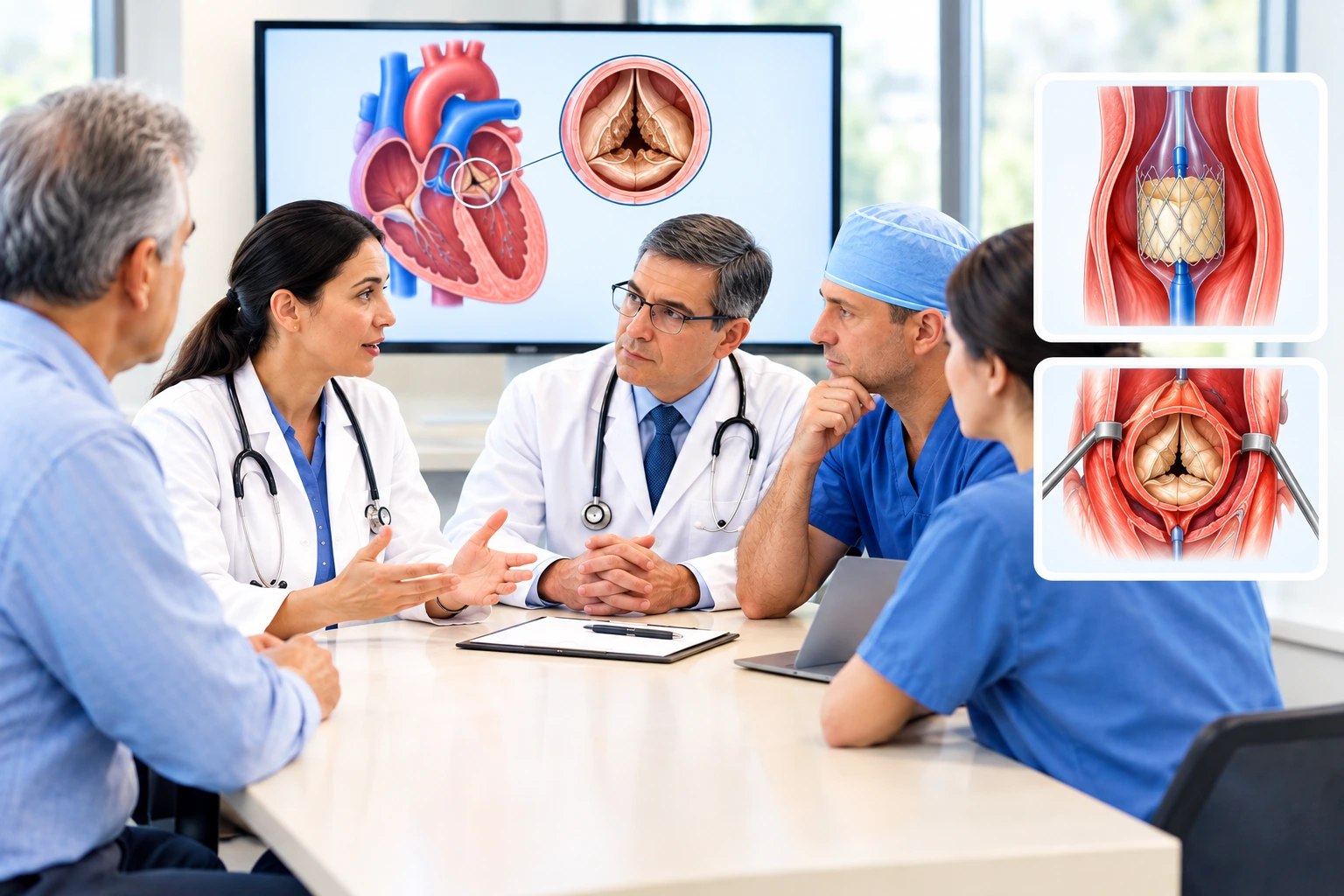
Historically, cardiovascular care was fragmented. Today, advanced centers operate on a multidisciplinary paradigm. At Apollo CVHF Hospital, complex clinical decision-making is driven by a highly integrated Heart Team, establishing our institution as a true Comprehensive Cardiovascular Institute.
Under the clinical leadership of Dr. Sameer Dani, Senior Interventional Cardiologist and Chief Cardiologist, alongside Dr. Sudhir Adalti, Senior CVTS (Cardiothoracic and Vascular Surgery) Surgeon, the team ensures that every emergency is met with complete expertise.
- Interventional Cardiologists: Experts like Dr. Kulin Sheth and Dr. Sameer Dani
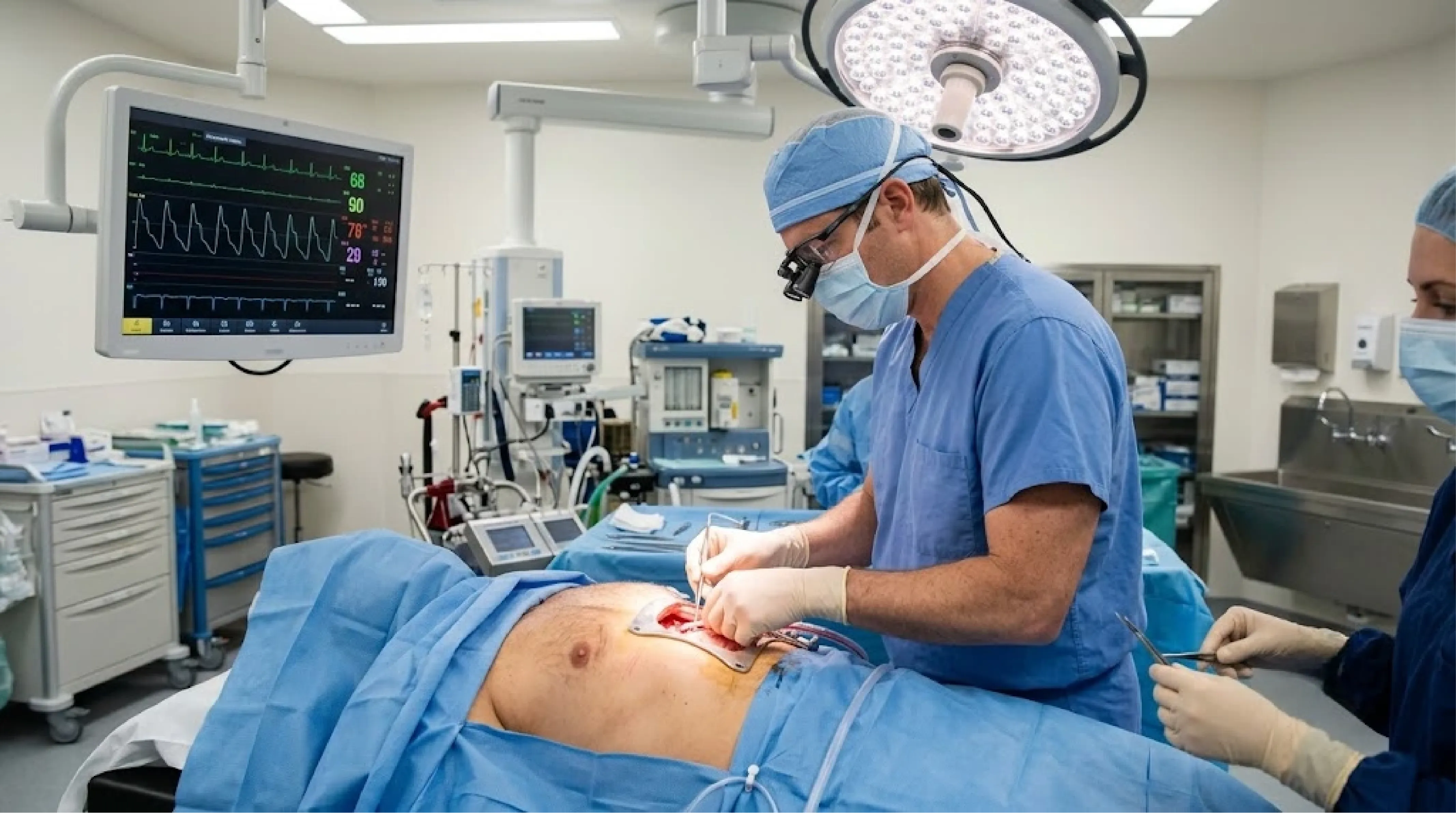
- Cardiothoracic Surgeons: Experts like Dr. Sudhir Adalti evaluate patients for complex bypass surgery (CABG) when stenting is biologically insufficient.
- Electrophysiologists (EPs): Specialists who map the heart’s electrical circuits and implant life-saving defibrillators (ICDs) in patients who have survived an arrest.
- Cardiac Intensivists: Critical care physicians who manage the delicate postoperative phase or the highly complex "Post-Cardiac Arrest Syndrome."
This collaborative environment ensures that the patient receives a recommendation optimized for their precise clinical picture, mitigating personal bias and elevating the standard of evidence-based medicine.
This collaborative environment ensures that the patient receives a recommendation optimized for their precise clinical picture, mitigating personal bias and elevating the standard of evidence-based medicine.
Advanced Investigations That Guide Treatment
When a patient arrives at an emergency department, precise diagnostic tools dictate the immediate clinical pathway.
1. The 12-Lead Electrocardiogram (ECG/EKG)
The ECG is the definitive frontline tool. For a suspected heart attack, it allows the cardiologist to see exactly which wall of the heart is suffering from ischemia by tracking electrical elevations (STEMI). During a cardiac arrest, attaching a defibrillator instantly reads the rhythm to tell emergency teams whether a shock is required to break a fatal arrhythmia.
2. High-Sensitivity Troponin Assays
When heart muscle cells die due to a blockage, they release a specific protein called Troponin into the bloodstream. Advanced blood tests can detect microscopic elevations in Troponin, confirming a heart attack even if the ECG appears ambiguous.
3. Coronary Angiography
This is the gold standard for visualizing the "plumbing." A specialized cardiologist inserts a thin catheter through the radial artery in the wrist or the femoral artery in the groin. Iodine contrast dye is injected, and continuous X-rays reveal the exact location and severity of the plaque blockages.
4. Echocardiography
An ultrasound of the heart that assesses mechanical function. Post-heart attack, it reveals how much of the ventricular wall has lost its pumping strength (Ejection Fraction). Post-cardiac arrest, it helps identify structural causes, such as severely diseased valves or hypertrophic cardiomyopathy.
What Should You Do During an Emergency?
Every minute matters during a cardiac emergency. Immediate heart blockage treatment is essential to restore blood flow and prevent permanent injury.
If You Suspect a Heart Attack
1. Call emergency medical services immediately. Do not attempt to drive the patient yourself unless absolutely necessary, as they could deteriorate into cardiac arrest en route.
2. Keep the patient calm and seated. Physical exertion increases the heart's oxygen demand, exacerbating the damage.
3. Do not ignore chest pain or delay seeking treatment. Denial is a common psychological response to a heart attack.
4. Reach the nearest cardiac emergency center as quickly as possible.
If Someone Has a Cardiac Arrest
1. Call emergency medical services immediately. Put the dispatcher on speakerphone.
2. Start CPR without delay. Push hard and fast in the center of the chest (at least 2 inches deep, at a rate of 100 to 120 compressions per minute). Do not worry about rescue breaths if you are untrained; continuous "hands-only" chest compressions circulate residual oxygen to the brain.
3. Use an Automated External Defibrillator (AED) if available. AEDs provide voice prompts, analyze the rhythm automatically, and will only deliver a shock if the internal algorithm determines it is necessary.
4. Continue CPR until medical professionals arrive. Do not stop compressions unless the patient wakes up or emergency responders take over.
Clinical Treatment: Fixing the Anatomy
One of the most effective treatments for a heart attack caused by blocked arteries is angioplasty.
Percutaneous Coronary Intervention (Angioplasty and Stenting)
Angioplasty is a minimally invasive procedure in which a cardiologist inserts a thin catheter through an artery in the wrist or groin to reach the blocked coronary artery. Once positioned, a small balloon is inflated to open the blockage, creating extreme pressure to crack the calcified plaque outward.
In most cases, a stent procedure is performed. The stent is a tiny metal mesh tube that keeps the artery open, restoring normal blood flow to the heart. Modern stents are coated in specialized medications (Drug-Eluting Stents) that prevent the artery from developing scar tissue and re-narrowing. Quick angioplasty can reduce heart muscle damage, relieve symptoms, and significantly improve recovery and long-term heart health.
Targeted Temperature Management (Post-Arrest)
If a patient suffers a cardiac arrest and is successfully revived but remains unconscious, cardiac intensivists utilize a protocol called Targeted Temperature Management (TTM). The patient's core body temperature is deliberately cooled to between 32°C and 36°C for 24 hours. This therapeutic hypothermia slows down the brain's metabolic rate, drastically reducing the inflammatory cascade and swelling that causes permanent neurological brain damage after oxygen deprivation.
Clinical Insight: Why Not Angioplasty Every Time?
Patients frequently ask if angioplasty is performed after every heart attack. Not always. However, it is one of the most common and effective treatments when a blocked coronary artery causes a heart attack. If an angiogram reveals that the patient has diffuse, heavily calcified disease across all three major arteries, or severe disease in the Left Main artery, the Heart Team led by Dr. Sudhir Adalti will likely bypass the stent completely and proceed with Coronary Artery Bypass Grafting (CABG) for better long-term durability.
Real Clinical Scenarios
To illustrate how evidence-based medicine is applied in real time, consider these common clinical presentations.
Scenario 1: The Classic STEMI (Heart Attack):
A 55-year-old male with a history of hypertension experiences crushing central chest pain radiating to his left jaw, accompanied by cold sweating. He is awake and frightened. He calls an ambulance. Paramedics perform an ECG showing a massive ST-elevation myocardial infarction (STEMI). He is rushed to Apollo CVHF's 24/7 cath lab, bypassing the ER. Dr. Kulin Sheth performs an immediate angioplasty through the wrist, placing a stent in the Left Anterior Descending (LAD) artery. The pain resolves instantly. The heart muscle is saved.
Scenario 2: Out-of-Hospital Cardiac Arrest:
A 45-year-old female collapses without warning while jogging. She is completely unresponsive with no pulse. A bystander immediately initiates high-quality chest compressions and calls emergency services. Another bystander brings an AED from a nearby building. The AED detects Ventricular Fibrillation and delivers a shock, restoring her heartbeat. She is transported to the ICU, where she undergoes therapeutic cooling (TTM). Because of immediate bystander action, she wakes up 48 hours later with full neurological function.
Scenario 3: The Silent Diabetic Heart Attack :A 70-year-old diabetic patient does not have chest pain. Instead, he presents with unusual fatigue, mild shortness of breath, and elevated blood sugar levels. His physician orders a high-sensitivity Troponin test, which returns highly elevated, confirming he suffered a "silent" heart attack days prior. Because the acute window has passed, he undergoes viability testing via Cardiac MRI to see if the heart muscle can be salvaged before proceeding with revascularization.
Common Myths Surrounding Cardiac Emergencies
Correcting public misconceptions is a vital component of saving lives.
1. Myth: A heart attack and cardiac arrest are the exact same thing. Fact: A heart attack is a plumbing issue (blocked artery); a cardiac arrest is an electrical issue (heart stops beating).
2. Myth: You should drive yourself to the hospital if you have chest pain. Fact: Driving is highly dangerous. A severe heart attack can trigger a sudden cardiac arrest at the wheel, putting yourself and others at risk. Always call an ambulance.
3. Myth: Women don’t get heart attacks. Fact: Heart disease is the leading killer of women. However, women often experience atypical symptoms, such as jaw pain, profound fatigue, or nausea, leading to dangerous delays in diagnosis.
4. Myth: If someone collapses, wait for paramedics to start CPR. Fact: Brain death begins in 4 minutes. Waiting for paramedics without performing CPR practically guarantees a fatal outcome.
5. Myth: You need a medical license to use an AED. Fact: Automated External Defibrillators (AEDs) are designed specifically for laypeople. They give verbal instructions and will not allow you to shock someone who doesn't need it.
6. Myth: CPR is meant to restart the heart. Fact: CPR does not restart a fibrillating heart; it manually pumps residual oxygenated blood to the brain to keep it alive until an electrical defibrillator can reset the rhythm.
7. Myth: A stent cures coronary artery disease. Fact: A stent mechanically props open a blocked vessel, but the systemic disease of atherosclerosis remains. Without aggressive cholesterol management and lifestyle changes, new blockages will form.
8. Myth: Young, fit people don’t suffer cardiac arrests. Fact: Sudden cardiac arrest can strike healthy athletes due to undiagnosed structural conditions (like Hypertrophic Cardiomyopathy) or genetic electrical disorders (like Long QT Syndrome).
9. Myth: You only get chest pain on the left side during a heart attack. Fact: Pain can radiate to the center of the chest, both arms, the neck, the jaw, or even present as upper back pressure.
10. Myth: Coughing aggressively can stop a heart attack. Fact: The internet myth of "cough CPR" is widely debunked by cardiologists. It will not stop a heart attack and may waste precious time.
11. Myth: If a heart attack is mild, no treatment is needed. Fact: Any myocardial infarction causes permanent cell death and scarring. Immediate heart blockage treatment is essential to prevent permanent injury.
12. Myth: Cardiac arrest only happens to the elderly. Fact: While risk increases with age, cardiac arrest often occurs suddenly with little or no warning, affecting individuals across all demographics.
13. Myth: I will accidentally kill someone if I do CPR wrong. Fact: The patient is already clinically dead if they have no pulse. You cannot make their condition worse. Breaking a rib is a small price to pay for saving a life.
14. Myth: Heart attacks always present with sudden, crushing pain. Fact: Many heart attacks start slowly with mild pain, discomfort, or shortness of breath that builds over hours.
15. Myth: Once you survive a cardiac arrest, you are completely cured. Fact: Survivors require extensive electrophysiology workups and often receive an Implantable Cardioverter Defibrillator (ICD) to prevent future fatal arrhythmias.
Frequently Asked Questions (FAQs)
1. Can a heart attack lead to cardiac arrest?
Yes. A severe heart attack can disrupt the heart's electrical system and trigger cardiac arrest if not treated promptly.
2. What is the actual difference in how the patient looks?
During a heart attack, the person is usually awake, responsive, and complaining of symptoms like chest pain, breathlessness, or sweating. During a cardiac arrest, the person is completely unconscious, unresponsive, has no pulse, and is not breathing.
3. Is angioplasty performed after every heart attack?
Not always. However, angioplasty is one of the most common and effective treatments when a blocked coronary artery causes a heart attack.
4. Can cardiac arrest happen without warning?
Yes. Cardiac arrest often occurs suddenly with little or no warning, making immediate CPR and emergency treatment essential.
5. How does a defibrillator work?
An AED sends a powerful dose of electrical energy through the heart. This momentarily completely stops the heart's chaotic electrical activity, allowing the heart's natural pacemaker (the SA node) a chance to "reboot" into a normal rhythm.
6. If I have a stent, can I still have a cardiac arrest? Yes. While a stent fixes a specific blockage, if you develop a new blockage or have underlying heart failure, your risk for electrical arrhythmias remains elevated.
7. Why do some people only feel jaw or back pain?
The heart lacks precise sensory nerves. When it is starved of oxygen, the brain often misinterprets the pain signals as coming from adjacent nerve pathways that supply the neck, jaw, or shoulder (referred pain).
8. What is an ICD?
An Implantable Cardioverter Defibrillator (ICD) is a small battery-powered device placed beneath the skin of the chest. If a patient is at high risk for cardiac arrest, the ICD constantly monitors the heart rhythm and delivers a life-saving shock internally if V-Fib occurs.
9. Can stress cause a heart attack?
Severe emotional or physical stress causes spikes in adrenaline and blood pressure. In patients with existing vulnerable plaque, this sheer physical stress can cause the plaque to rupture, triggering a heart attack.
10. What is a "widow-maker" heart attack?
This is a non-medical term for a massive blockage at the very beginning of the Left Anterior Descending (LAD) artery, which supplies a huge portion of the heart's pumping muscle. It carries a high risk of triggering cardiac arrest.
11. Does aspirin help during a heart attack?
Yes. Chewing a full-dose (325mg) aspirin immediately upon suspecting a heart attack inhibits blood platelets, potentially slowing the growth of the blood clot in the artery.
12. Can a standard ECG predict a future cardiac arrest?
An ECG can detect structural issues (like left ventricular hypertrophy) or genetic electrical disorders (like Brugada Syndrome) that increase risk, but it cannot predict the exact moment an arrest will happen.
13. What is the difference between heart failure and cardiac arrest?
Heart failure is a chronic condition where the heart slowly loses its pumping strength over years. Cardiac arrest is a sudden, acute electrical malfunction where the heart stops instantly.
14. Are heart attacks hereditary?
A family history of early coronary artery disease significantly increases your risk, as genetics dictate how your body processes cholesterol and manages vascular inflammation.
15. Is it safe to exercise after a heart attack?
Yes, but only under the guidance of a formal Cardiac Rehabilitation program. Medically supervised exercise helps condition the remaining heart muscle and improves long-term outcomes.
16. What is the role of troponin in diagnosis?
Troponin is an intracellular protein. It only leaks into the bloodstream when heart muscle cells undergo necrosis (cell death). Therefore, it is the definitive biomarker for a myocardial infarction.
17. Why do diabetics have atypical symptoms?
Prolonged high blood sugar causes diabetic neuropathy-nerve damage. This can blunt the sensory nerves in the chest, leading to "silent" heart attacks without the classic crushing pain.
18. How fast must blood flow be restored during a heart attack?
Hospitals aim for a "Door-to-Balloon" time of less than 90 minutes. This means from the moment you enter the ER doors to the moment Dr. Kulin Sheth inflates the balloon to open the artery, ideally less than 90 minutes pass to salvage maximum muscle.
19. What should I do if I am alone and suspect a heart attack?
Call emergency services immediately, unlock your front door, and sit down calmly while waiting. Do not attempt to drive.
20. How can I protect myself?
Chest pain, breathlessness, sudden dizziness, or unexplained fatigue should never be ignored. Early diagnosis and timely treatment can prevent life-threatening complications and improve recovery.
Recovery: The Path Forward
The recovery trajectory differs vastly between these two emergencies.
Recovering from a Heart Attack (PCI)
If a heart attack is caught early and treated with a stent, the physical recovery is often rapid. Patients may be discharged within 48 to 72 hours. The true focus of recovery shifts to medical management-taking Dual Antiplatelet Therapy (blood thinners) religiously to prevent clot formation inside the new stent, and aggressively managing blood pressure and cholesterol. The heart muscle takes several weeks to heal its scarred tissue, during which patients participate in Cardiac Rehabilitation.
Recovering from a Cardiac Arrest
Survival from cardiac arrest is a massive clinical victory, but the recovery is highly complex. Patients usually spend several days to weeks in a Cardiac Intensive Care Unit. The focus is on neurological recovery following the brain's exposure to hypoxia. Once stable, electrophysiologists evaluate the patient to determine why the electrical system failed. The vast majority of survivors will require the surgical implantation of an ICD (defibrillator) to ensure that if the electrical storm ever returns, the internal device will save their life instantly.
Why Comprehensive Cardiac Centres Matter
Managing acute cardiovascular emergencies requires far more than a basic emergency room. When dealing with heart attacks that can rapidly degenerate into cardiac arrest, an integrated ecosystem of care is the difference between life and death.
A comprehensive cardiac center features:
- 24/7 Primary PCI Capability: A catheterization lab ready to halt a massive heart attack at any hour.
- Electrophysiology Suites: Specialized labs to map electrical arrhythmias and implant life-saving devices.
- Cardiothoracic Surgery Backup: Immediate availability of surgical teams under leaders like Dr. Sudhir Adalti if the anatomy dictates emergency open-heart surgery.
- ECMO (Extracorporeal Membrane Oxygenation): In catastrophic cases of cardiac arrest where the heart fails to restart, advanced centers can place the patient on an artificial heart-lung machine to keep the organs alive while the heart is repaired.
- Post-Arrest Neurocritical Care: Intensive care specialists expertly managing therapeutic temperature protocols to preserve brain function.
About Apollo CVHF Hospital's Expertise
Apollo CVHF Hospital Ahmedabad is committed to providing comprehensive cardiac care with advanced technology and experienced heart specialists. Located in Ahmedabad, Gujarat, India, the hospital operates on a foundational philosophy of integrated, evidence-based medicine.
The institution offers complete diagnosis and treatment for coronary artery disease, heart attacks, cardiac emergencies, angioplasty, stent procedures, bypass surgery, valve interventions, and preventive cardgioiology. Under the medical leadership of Chief Cardiologist Dr. Sameer Dani, alongside experts like Dr. Kulin Sheth and Dr. Sudhir Adalti, the Heart Team ensures that every patient receives multidisciplinary, protocol-driven care.
Patients searching for the Best Cardiology care or an experienced Cardiologist in Ahmedabad can rely on Apollo CVHF Hospital for personalized treatment plans, emergency cardiac services, and world-class cardiovascular care focused on improving long-term heart health.
To learn more about our world-class facilities and to secure your cardiovascular future, visit www.apollocvhf.com.
Take Charge of Your Heart Health Today
If you or a loved one is at risk of heart disease, consult an experienced Cardiologist in Ahmedabad at Apollo CVHF Hospital. Whether you need preventive screening, expert heart blockage treatment, angioplasty, or comprehensive cardiac care, our specialists are here to help you protect your heart and live a healthier life.