
Medically reviewed by: Dr. Sameer Dani, Senior Interventional Cardiologist Last medically reviewed: August 26, 2026 Last updated: August 26, 2026
A heart attack is a severe medical emergency where every minute dictates the outcome. Many individuals dismiss early warning signs as indigestion, fatigue, or muscle strain. However, in cardiac care, "time is muscle." Delaying treatment can lead to permanent, irreversible damage to the heart muscle or prove fatal.
This guide outlines how to recognize the symptoms of a heart attack, the immediate steps to take, and the emergency clinical treatments used to restore heart function.
What is a Heart Attack?
A heart attack, medically known as a myocardial infarction (MI), occurs when the blood flow supplying oxygen to the heart muscle is suddenly and severely reduced or completely cut off.
This is most commonly caused by coronary artery disease. Over time, cholesterol and fatty deposits (plaque) build up within the walls of the coronary arteries. If a plaque ruptures, the body attempts to repair it by forming a blood clot. This clot can completely block the artery, starving the heart muscle of oxygen. Without immediate treatment to remove the blockage, the affected heart tissue begins to die.
Recognizing the Symptoms
Heart attack symptoms are not uniform; they vary significantly from person to person. Some individuals experience the sudden, severe chest pain often depicted in media, while others experience a gradual onset of mild, unusual discomfort.
Classic Warning Signs
- Chest Discomfort: A sensation of pressure, tightness, squeezing, or heaviness in the center or left side of the chest.
- Radiating Pain: Pain or discomfort that spreads outward to the left arm, shoulder, neck, jaw, or upper back.
- Autonomic Symptoms: Sudden cold sweating, dizziness, lightheadedness, or nausea and vomiting.
- Respiratory Distress: Sudden shortness of breath, which may occur with or without chest pain.
- Psychological Signs: A sudden onset of intense anxiety or a profound sense of impending doom.
Atypical Symptoms (Women, Older Adults, and Diabetics)
Certain demographics-particularly women, the elderly, and patients with diabetes-frequently experience "atypical" symptoms. Because these symptoms do not include classic chest-crushing pain, they are often fatally ignored. These include:
- Unexplained, extreme fatigue.
- Mild discomfort in the upper back or abdomen.
- Breathlessness without chest pressure.
Clinical Advice: Never ignore chest discomfort, unusual sweating, or pain that radiates to the jaw or arm. Even mild symptoms require immediate medical evaluation.
What to Do During a Suspected Heart Attack
If you or someone else is experiencing heart attack symptoms, you must act immediately to reduce the risk of permanent damage.
- Call Emergency Services Immediately: Do not wait to see if the symptoms will pass. Call for an ambulance immediately. Emergency responders can begin life-saving treatment, such as defibrillation, en route to the hospital.
- Do Not Drive: Never attempt to drive yourself to the hospital if emergency services are available, as you could lose consciousness at the wheel.
- Rest and Keep Calm: Sit comfortably, loosen any tight clothing, and avoid unnecessary movement to reduce the heart's workload.
- Chew an Aspirin: If advised by an emergency dispatcher or healthcare professional, and provided you are not allergic or contraindicated, chew a standard dose of aspirin. Aspirin helps inhibit blood clotting and can minimize damage while you await help.
Emergency Treatment: Angioplasty and Stenting
Survival and recovery depend heavily on how quickly a patient reaches an equipped hospital.
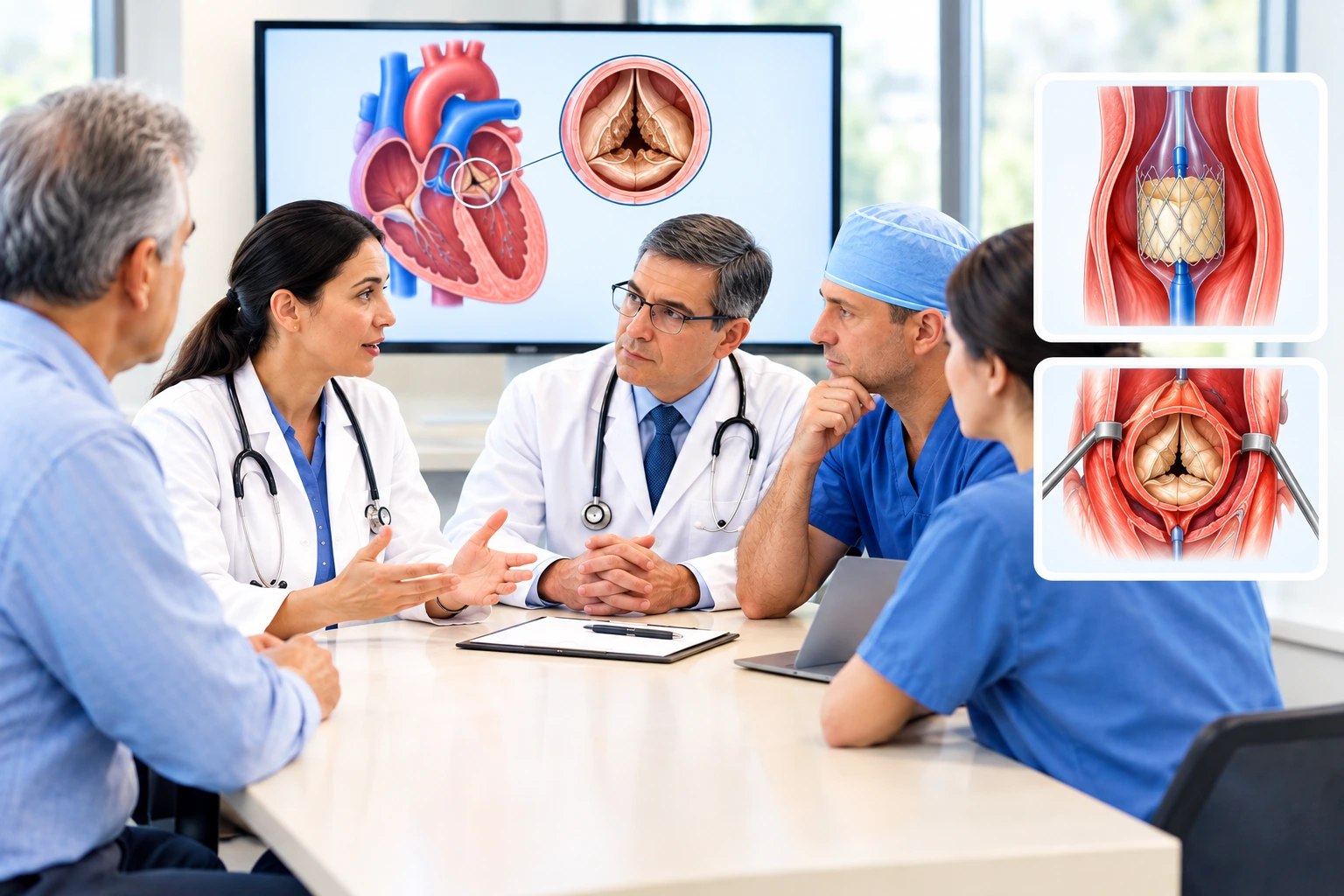
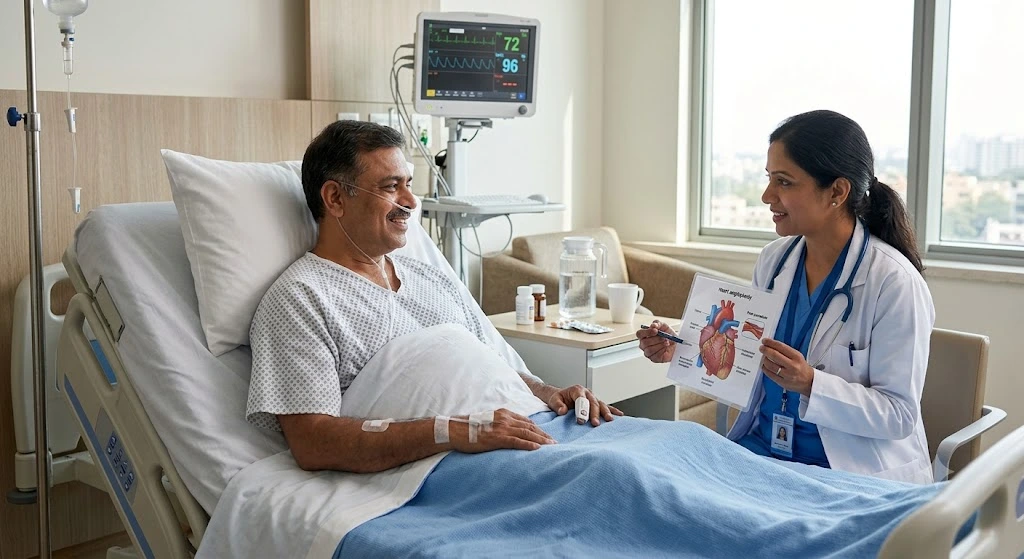
Upon arrival at the emergency department, an electrocardiogram (ECG) is performed to diagnose the type of heart attack. The most effective treatment for a blocked artery is Primary Percutaneous Coronary Intervention (PCI), commonly known as angioplasty.
How Angioplasty Works:
- Access: An interventional cardiologist inserts a thin, flexible tube (catheter) into a blood vessel, typically through the wrist (radial artery) or the groin.
- Navigation: Using real-time X-ray imaging, the catheter is guided directly to the blocked coronary artery.
- Dilation: A tiny, deflated balloon at the tip of the catheter is inflated at the site of the blockage, compressing the plaque against the artery walls to widen the vessel.
- Stenting: A stent-a tiny, expandable metal mesh tube-is usually deployed into the artery to act as a scaffold, keeping the vessel permanently open and restoring healthy blood flow.
When performed swiftly, angioplasty stops the heart attack, minimizes permanent muscle damage, and significantly improves long-term survival.
Risk Factors and Prevention
While some risk factors (like family history) cannot be changed, the majority of heart disease risks are tied to lifestyle and manageable health conditions.
Primary Risk Factors Include:
- High blood pressure (Hypertension)
- High cholesterol
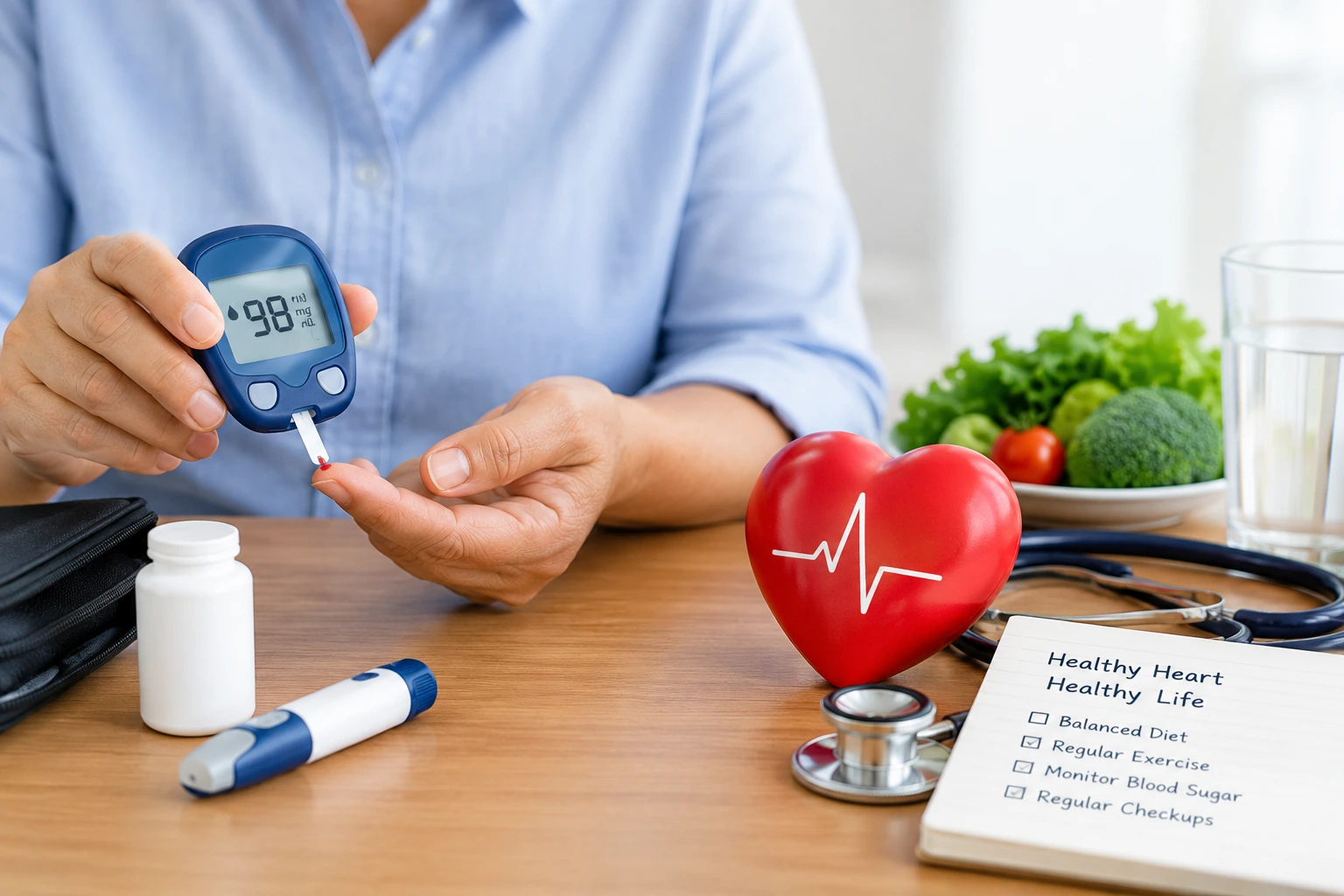
- Diabetes
- Smoking and tobacco use
- Obesity and lack of physical activity
- Chronic stress and an unhealthy diet
Preventive Care: To protect your heart, maintain a balanced diet rich in whole grains, fruits, and vegetables. Exercise regularly, avoid tobacco, limit alcohol, and proactively manage conditions like blood pressure and diabetes through regular check-ups with a cardiovascular specialist.
Emergency Cardiac Care at Apollo CVHF Hospital, Ahmedabad
In the event of a heart attack, the capability of the receiving hospital is critical. Apollo CVHF Hospital provides comprehensive, round-the-clock emergency cardiac care.
Our facility is equipped with modern cardiac catheterization laboratories and advanced diagnostic technology, staffed by a dedicated team of highly experienced interventional cardiologists and cardiac surgeons. From rapid emergency angioplasty to post-infarction rehabilitation and preventive cardiology, Apollo CVHF delivers evidence-based, personalized treatment focused on achieving the best possible clinical outcomes.
Frequently Asked Questions (FAQs)
1. What is usually the very first symptom of a heart attack?
Chest pain, pressure, or a squeezing sensation is the most common initial symptom. However, some patients first notice sudden shortness of breath, profound fatigue, or nausea.
2. Is all chest pain considered a heart attack?
No. Chest pain can be caused by acid reflux, muscle strain, or respiratory issues. However, any sudden, unexplained chest pain-especially if it lasts longer than a few minutes or radiates to the arm or jaw-must be evaluated immediately by a medical professional.
3. What is the purpose of a stent during an angioplasty?
During an angioplasty, a balloon widens the blocked artery. A stent (a small metal mesh tube) is then permanently placed at that exact site to act as a scaffold, preventing the artery from collapsing or narrowing again.
4. Can young, healthy adults have heart attacks?
Yes. While the risk increases with age, heart attacks are occurring more frequently in younger adults due to rising rates of risk factors like diabetes, obesity, smoking, and high stress levels.
Medical Review by: Dr. Sameer Dani, Senior Interventional Cardiologist
Disclaimer:
This article is for general educational purposes and does not replace individualized medical advice. If you suspect a heart attack, call emergency services immediately.