Cardiology Department
Consultant-Led Care
Same-Week Appointments Available
Peripheral & Below-the-Knee Artery Blockages - Treatment Without Surgery, Ahmedabad
If you or a family member has been told about a blockage in the leg arteries - or is dealing with a non-healing foot wound, leg pain while walking, or the possibility of an amputation - there are effective, minimally invasive options worth understanding before considering surgery. Apollo CVHF's interventional cardiology team in Ahmedabad treats these blockages, including those in the smaller arteries below the knee, using Drug-Coated Balloon (DCB) angioplasty - a technique also referred to as DCB-PTA (Percutaneous Transluminal Angioplasty).
Medically reviewed by Dr. Sameer Dani, Chief Interventional Cardiologist, Apollo CVHF Hospitals - last reviewed September 22, 2026.
Do Any of These Sound Familiar?
If any of the following applies to you or someone you're caring for, this treatment may be relevant:
Leg pain, cramping, or heaviness when walking, that eases with rest (medically known as claudication)
A wound, sore, or ulcer on the foot or toes that isn't healing
Diabetic foot problems, especially with poor circulation
Cold, numb, pale, or discoloured toes or feet
Being told you may need a toe or leg amputation
A diagnosis of Peripheral Artery Disease (PAD) or Critical Limb Ischemia (CLI / CLTI)
Blockages specifically in the arteries below the knee
A non-healing wound with black or dying tissue, spreading infection, fever, or leg/foot pain at rest are signs that need urgent medical evaluation - please seek immediate care rather than submitting an online enquiry.
What Is PTA, and How Is DCB Different?
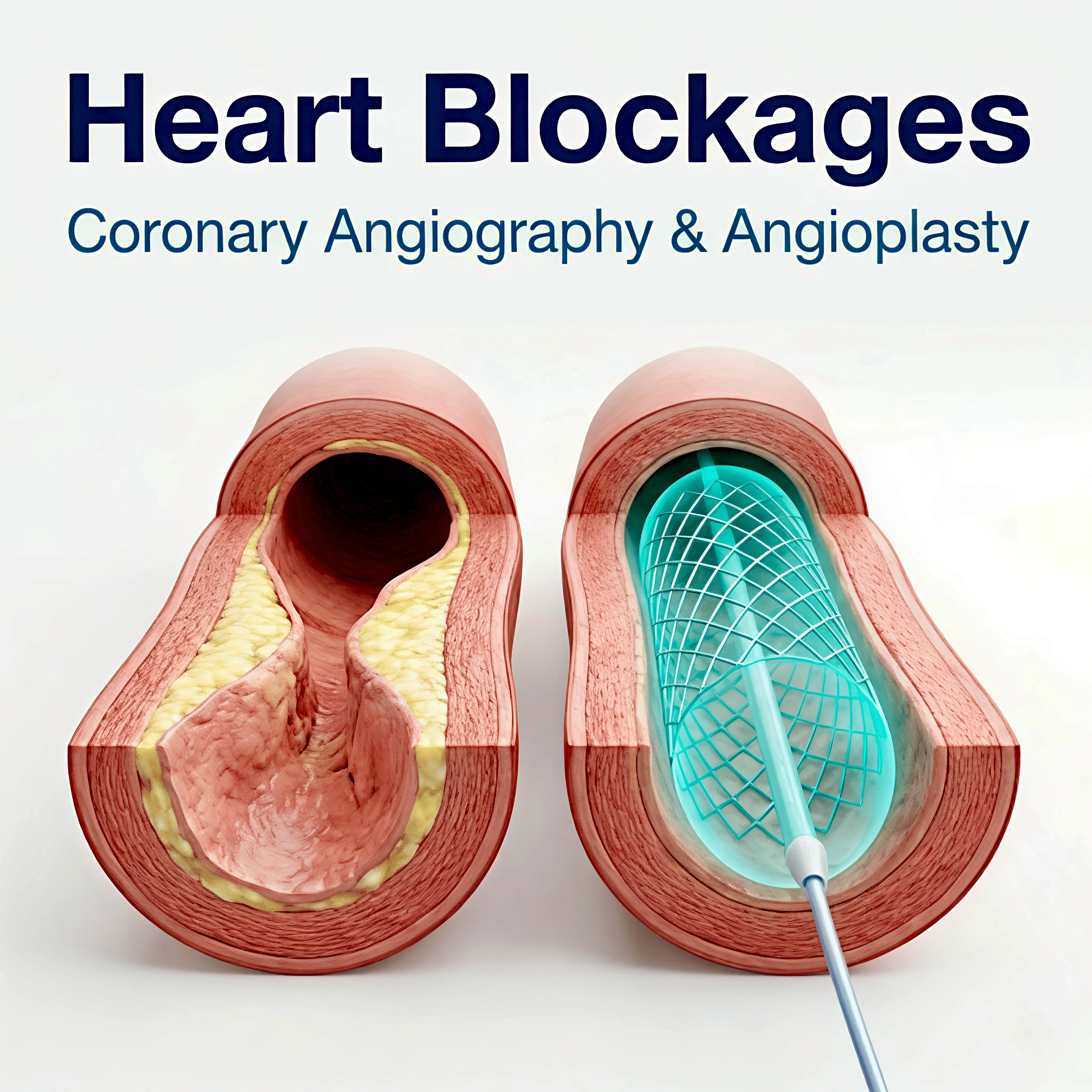
PTA (Percutaneous Transluminal Angioplasty) is the general medical term for opening a blocked artery using a balloon catheter - the standard technique for treating leg artery blockages without open surgery. A Drug-Coated Balloon (DCB) is a specific type of PTA balloon, coated with medication that helps keep the artery open for longer and reduces the chance the blockage returns. As with coronary DCB, nothing permanent is left behind - the balloon opens the artery, delivers the medication, and is then removed.
Why Below-the-Knee Disease Needs Specific Expertise
The arteries below the knee are smaller and more delicate than those above the knee or in the heart, and blockages here are especially common in patients with diabetes - often the difference between healing a foot wound and losing a toe or limb. Treating these smaller vessels well requires specific experience, not just general angioplasty skill.
Dr. Sameer Dani, who leads the team, was also the Principal Investigator of XTREME FIM, a completed 39-patient peripheral sirolimus-coated balloon study conducted in India, and presented these results at TCT 2019. This research experience directly informs how peripheral DCB is used at Apollo CVHF today.
What to Expect - Procedure & Recovery
Access site: typically through an artery in the groin, or in some cases the arm
Anaesthesia: local anesthesia with light sedation
Duration: varies depending on the complexity and length of the blockage
Hospital stay: many patients go home the same day or after a short stay
Wound care: patients with foot wounds or ulcers will need ongoing wound care alongside the procedure, coordinated with your care team, to support healing once blood flow is restored
Risks and possible complications: as with any vascular intervention, risks include artery dissection, perforation, bleeding or bruising at the access site, restenosis (the blockage returning), contrast-induced kidney injury (a particular consideration for patients with diabetes), and reactions to the contrast dye used during the procedure. In some cases, despite treatment, the underlying disease may progress and amputation may still be required. Your care team will discuss your individual risk profile with you beforehand.
When Might Surgery Still Be Needed
DCB-PTA is not the right option for every blockage. Extensive multi-level disease, long or heavily calcified blockages, or a leg artery that doesn't respond adequately to balloon treatment may still require surgical bypass or other intervention. Apollo CVHF's team will assess each case individually and recommend whichever approach offers the best chance of healing the wound, relieving symptoms, or avoiding amputation.
DCB-PTA vs. Stenting vs.
Surgical Bypass
DCB-PTA
Peripheral Stenting
Surgical Bypass
What it is
A medicated balloon opens the artery, then is removed
A permanent metal scaffold left in the artery
Open surgery rerouting blood flow around the blockage
using a graft
Left behind afterward
Nothing
The stent, permanently
A graft vessel
Procedure type
Catheter-based, non-surgical
Catheter-based, non-surgical
Open surgery
Typically suited for
Selected blockages, including below-the-knee lesions, with
good preparation
Blockages not well-suited to DCB alone
Extensive multi-level disease or when catheter-based
options aren't appropriate
Frequently Asked Questions
Can a leg artery blockage be treated without surgery?
Often, yes. Many leg artery blockages, including those below the knee, can be treated using balloon angioplasty (PTA), including Drug-Coated Balloon (DCB) angioplasty, without open surgery. Suitability depends on the extent and location of the blockage.
What is the treatment for poor circulation in a diabetic foot?
Poor circulation in a diabetic foot is often caused by peripheral artery disease, including blockages below the knee. Restoring blood flow with angioplasty - including DCB angioplasty - can help heal wounds and reduce the risk of amputation.
How can I avoid a leg or toe amputation due to a blockage?
Restoring blood flow to the affected leg or foot, often through angioplasty (including DCB-PTA for below-the-knee blockages), is a key step in avoiding amputation. Earlier evaluation generally gives more treatment options. If you have a non-healing wound, spreading infection, or pain at rest, seek urgent medical care rather than waiting.
What is Critical Limb Ischemia (CLI/CLTI), and how is it treated?
Critical Limb Ischemia is severely reduced blood flow to the leg or foot, often causing pain at rest, non-healing wounds, or gangrene. This is a medical emergency requiring urgent evaluation. Treatment focuses on restoring blood flow, including through balloon angioplasty and DCB-PTA of the affected arteries.
What is claudication, and how is it treated?
Claudication is leg pain, cramping, or heaviness brought on by walking and relieved by rest, caused by reduced blood flow in the leg arteries. Depending on severity, treatment can include lifestyle changes, medication, or angioplasty to open the blocked artery.
What is PTA (angioplasty) for the leg arteries?
PTA (Percutaneous Transluminal Angioplasty) is a minimally invasive procedure that uses a balloon catheter to open a blocked leg artery, restoring blood flow without open surgery.
What is a drug-coated balloon (DCB) for leg blockages?
A DCB is a balloon coated with medication, used during PTA to open a blocked leg artery and reduce the chance the blockage returns. It is removed after the procedure, leaving nothing permanent behind.
Can blockages below the knee be treated with angioplasty?
Yes. Below-the-knee arteries are smaller and more delicate, requiring specific experience - at Apollo CVHF, this is performed across the interventional cardiology team.
Who treats peripheral artery disease (PAD) at Apollo CVHF?
Peripheral and below-the-knee DCB angioplasty at Apollo CVHF is performed across the interventional cardiology team, led by Dr. Sameer Dani, who also led XTREME FIM, a peripheral sirolimus-coated balloon study conducted in India.
Is peripheral DCB angioplasty different from coronary (heart) DCB?
They use similar drug-coated balloon technology, but treat different arteries - coronary DCB treats heart artery blockages, while peripheral DCB treats leg artery blockages, including those below the knee. Learn more about coronary DCB angioplasty at Apollo CVHF →
Our team is available to help you understand your options, review your reports, or answer your questions. You will speak directly to our cardiology team - not a call centre, not a receptionist.