Heart disease is a problem these days. Many people have blocked heart arteries. When the blood flow to the heart is low because of a blockage, doctors may say you need a treatment called angioplasty. Angioplasty helps improve blood circulation to the heart and reduces the risk of a heart attack. Angioplasty is a procedure that can help people with heart disease.
If you or a family member has been told to have angioplasty, it is a good idea to learn about the procedure. Learning about angioplasty can help you feel less scared, less stressed and less confused about angioplasty.
What Is Angioplasty?
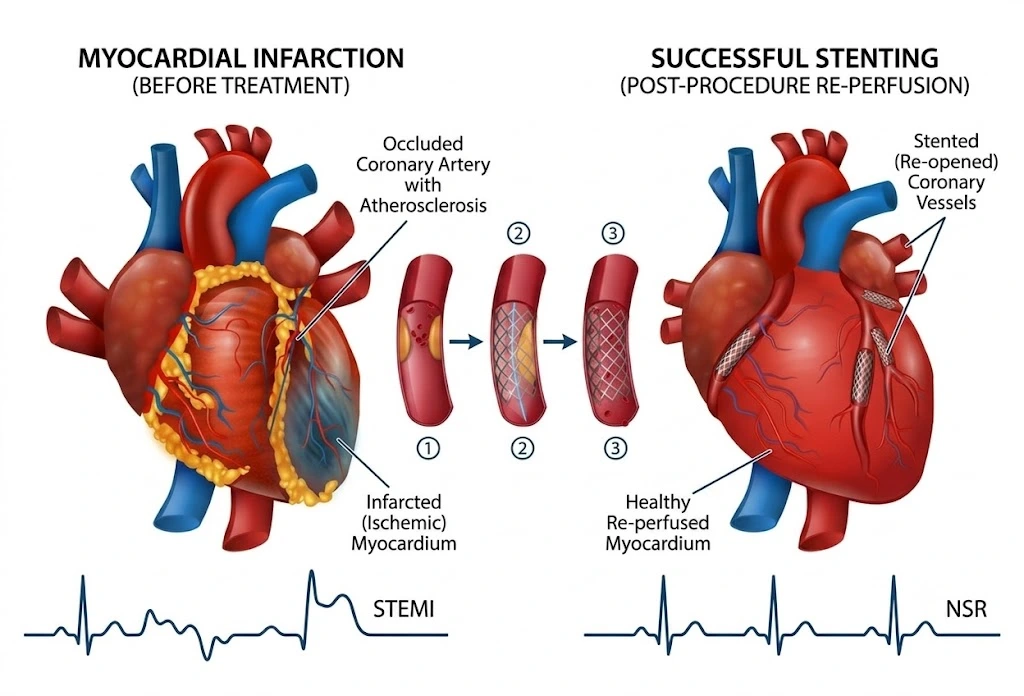
Angioplasty is a procedure. It is used to open blocked or narrowed arteries that supply blood and oxygen to the heart muscles. Over time fatty deposits called plaque can build up inside the arteries. This makes it hard for blood to flow properly. Angioplasty is a way to open up these blocked arteries.
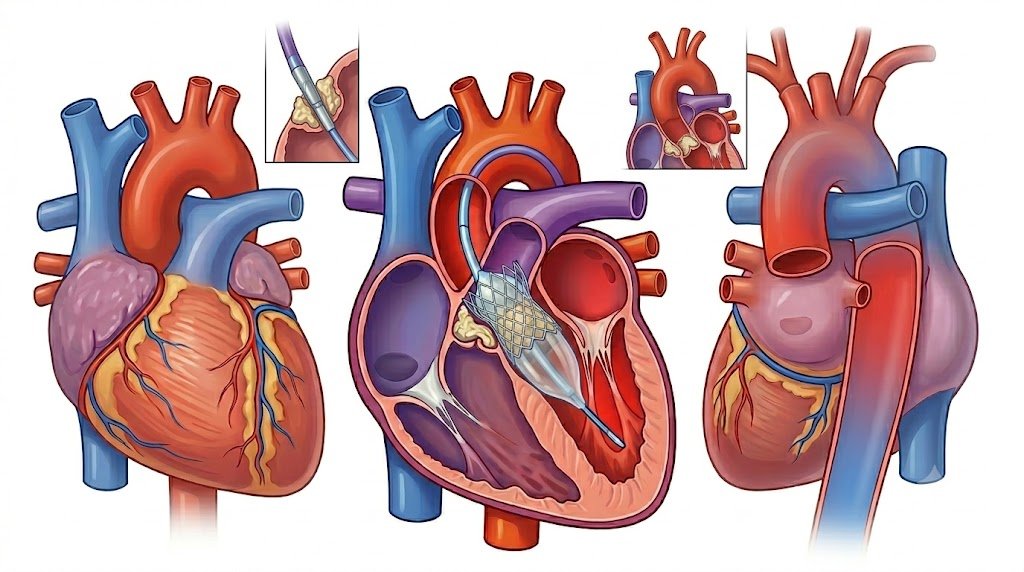
During angioplasty, a doctor puts a balloon into the blocked artery and blows it up to make the artery bigger. In cases a small mesh tube called a stent is also put inside the artery. The stent helps keep the artery open and improves blood flow. Angioplasty is also known as Coronary Angioplasty, Balloon Angioplasty or Percutaneous Coronary Intervention.
What Is Angioplasty? A Complete Guide for Heart Patients
Doctors usually say people need angioplasty when they have a blockage in their heart arteries. The procedure is commonly done when a person has chest pain or discomfort shortness of breath, reduced blood flow to the heart a heart attack or blocked coronary arteries. Angioplasty helps restore blood circulation and lowers the risk of severe heart problems. Angioplasty can help people with heart disease feel better.
Symptoms That May Indicate the Need for Angioplasty
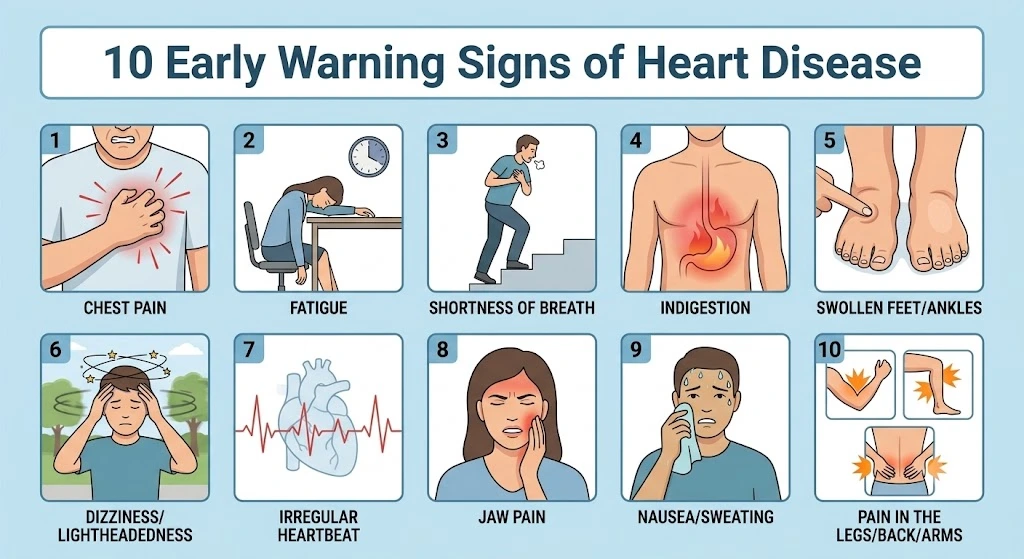
Some symptoms should not be ignored. They may be signs of blocked heart arteries. These symptoms include chest pain, pain in the arm, neck or jaw difficulty breathing feeling tired during normal activities, dizziness or weakness and fast or irregular heartbeat. If these symptoms keep happening doctors may say you need tests like an ECG, stress test or angiography to check for artery blockage.
How Is Angioplasty Performed?
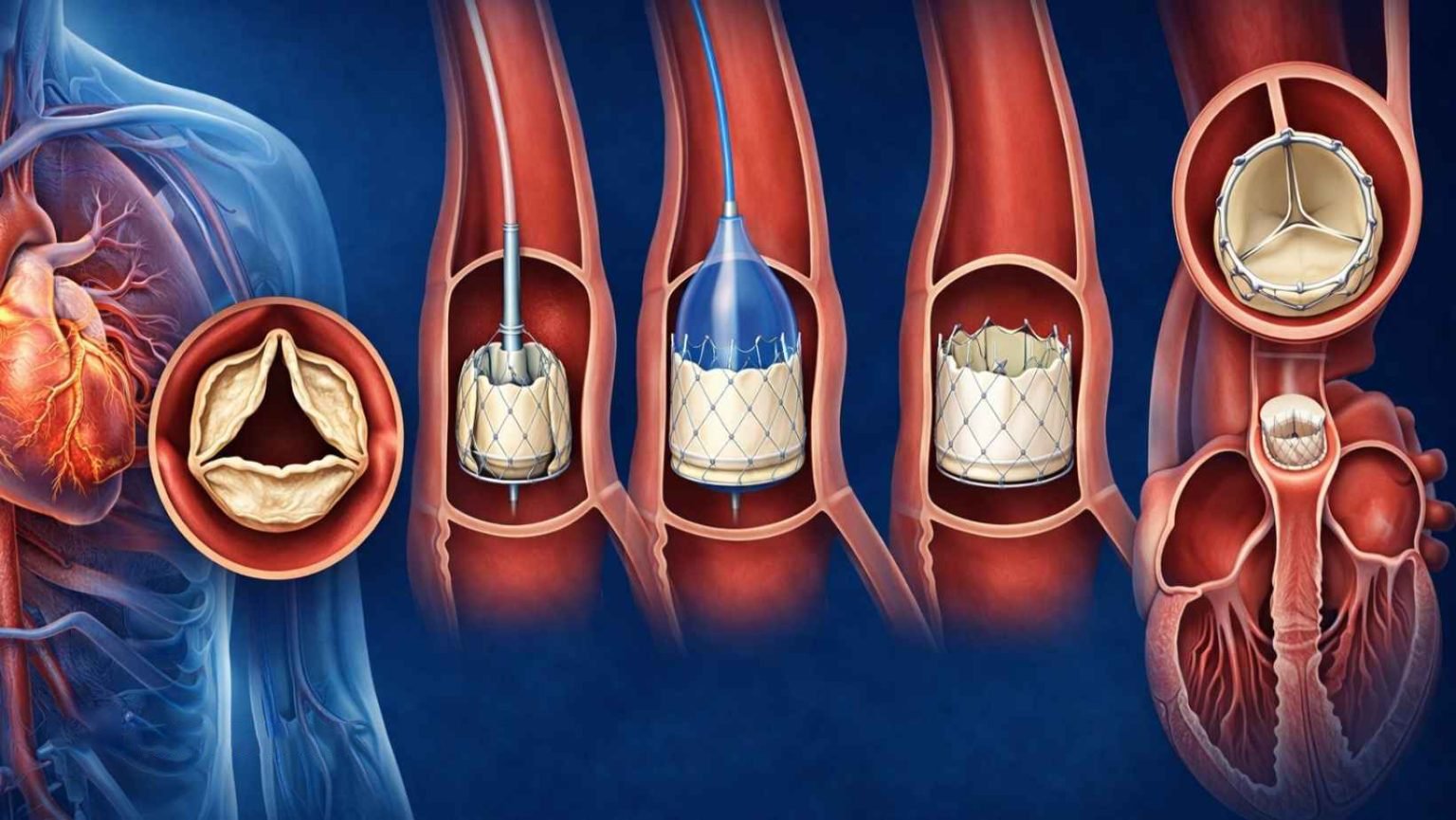
Angioplasty is usually done in a hospital by a heart specialist called a cardiologist. The procedure usually takes between 30 minutes and 2 hours. The doctor gives you anesthesia to numb the area. Then a thin tube called a catheter is put through your wrist or groin. The catheter is carefully guided to the blocked artery. A small balloon attached to the catheter is blown up to open the blockage. A stent may be put inside the artery to keep it open. The catheter is removed once blood flow improves.
Most people stay awake during the procedure and recovery is usually quick. You can usually go home from the hospital after a day or two. Angioplasty is a simple procedure.
Step-by-Step Procedure
The doctor gives you anesthesia.
A catheter is put through your wrist or groin.
The catheter is guided to the blocked artery.
A small balloon is blown up to open the blockage.
A stent may be put inside the artery.
The catheter is removed.
What Is a Stent?
A stent is a metal mesh tube. It is put inside the artery after angioplasty. The stent helps prevent the artery from getting narrow. It keeps blood flowing. There are two types of stents: Bare Metal Stent and Drug-Eluting Stent. The doctor chooses the type of stent based on your heart condition and medical history.
Benefits of Angioplasty
Angioplasty has benefits for people with heart disease. It improves blood flow to the heart reduces chest pain and discomfort lowers the risk of heart attack and helps you recover faster than open-heart surgery. You can usually go home from the hospital after a stay. Angioplasty can help you have a quality of life. Many people can go back to their activities within a few days after the procedure.
Risks of Angioplasty
Like any procedure angioplasty has some risks.. Serious complications are rare. Possible risks include bleeding, infection, blood clot formation damage to the artery and re-blockage of the artery. Following the doctors advice taking medications regularly and going to follow-up visits can help reduce these risks.
Recovery After Angioplasty
Recovery after angioplasty is usually fast and smooth. Most people stay in the hospital for one or two days. Then you can go home.
Recovery Tips
Take all your medicines as prescribed.
Do not. Avoid alcohol.
Eat an balanced diet.
Walk every day. Stay physically active.
Control your blood pressure, cholesterol and diabetes.
Go to medical checkups.
Healthy lifestyle changes are important for keeping your heart healthy after angioplasty.
Can Angioplasty Cure Heart Disease?
Angioplasty improves blood flow. Helps reduce symptoms.. It does not completely cure heart disease. You must keep following a lifestyle to prevent future blockages and heart problems. Regular exercise, eating, stress management and proper medical care are essential for long-term heart health.
Final Thoughts
Angioplasty is an effective treatment for blocked heart arteries. It helps reduce chest pain improves blood circulation, and lowers the risk of heart problems. If you have symptoms like chest pain, shortness of breath or unusual fatigue, you should see a heart specialist away. Taking care of your heart now can help you live a longer life. Angioplasty can be a lifesaver for people with heart disease.
Our team is available to help you understand your options, review your reports, or answer your questions. You will speak directly to our cardiology team - not a call centre, not a receptionist.