
Heart valve diseases can significantly affect your quality of life and overall heart health. Fortunately, advances in cardiac care have made treatment safer and less invasive than ever before. One such breakthrough is TAVI (Transcatheter Aortic Valve Implantation), also known as TAVR (Transcatheter Aortic Valve Replacement). This innovative procedure offers hope to patients suffering from severe aortic valve disease without the need for traditional open-heart surgery.
Understanding TAVI / TAVR
TAVI/TAVR is a minimally invasive procedure used to replace a damaged or narrowed aortic valve. The aortic valve controls blood flow from the heart to the rest of the body. When this valve becomes narrowed, a condition known as aortic stenosis, the heart must work harder to pump blood.
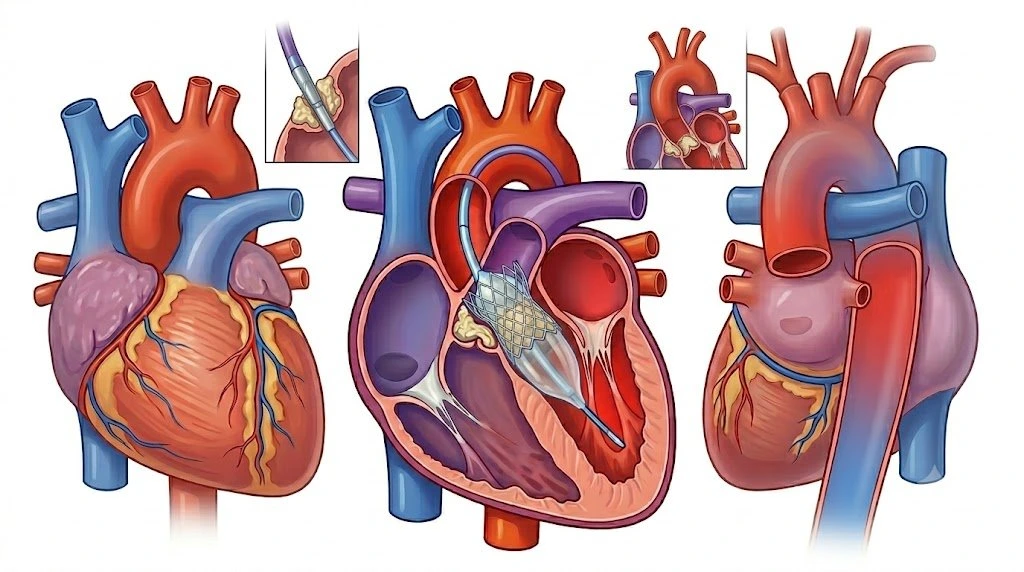
During a TAVI/TAVR procedure, doctors insert a new artificial valve through a catheter, usually via an artery in the groin, and position it inside the diseased valve. The new valve immediately begins regulating blood flow, helping improve heart function and symptoms.
Who Needs TAVI / TAVR?
TAVI/TAVR is generally recommended for patients with severe aortic stenosis, especially those who:
Experience symptoms such as chest pain, breathlessness, dizziness, or fatigue.
Are considered high-risk or intermediate-risk candidates for open-heart surgery.
Have other health conditions that make conventional surgery more challenging.
Need valve replacement but prefer a less invasive treatment option.
A detailed evaluation by a qualified Cardiologist in Ahmedabad can determine whether TAVI/TAVR is the right choice for a patient.
What Happens During the Procedure?
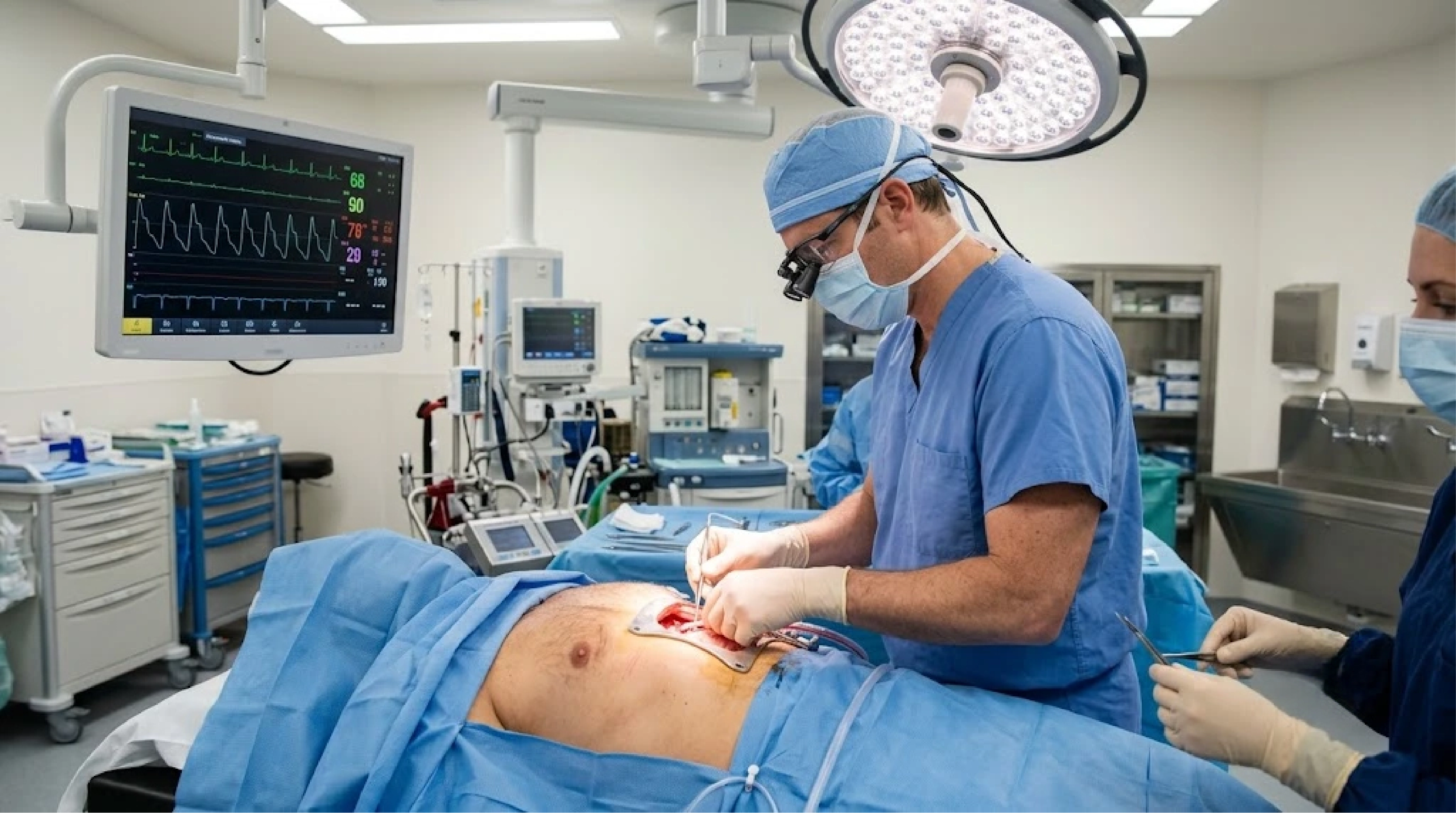
The procedure is performed in a specialized cardiac catheterization laboratory or hybrid operating room.
Before the Procedure
Medical tests including echocardiography, CT scans, and blood tests are conducted.
Patients receive detailed instructions regarding medications and fasting.
During the Procedure
Local anesthesia or mild sedation is commonly used.
A catheter is inserted through a blood vessel, typically in the groin.
The replacement valve is guided to the heart and positioned within the damaged valve.
Once deployed, the new valve takes over normal blood flow function.
The procedure generally takes 1-2 hours and avoids the large chest incision required in traditional surgery.
Recovery and What to Expect
One of the biggest advantages of TAVI/TAVR is faster recovery.
Most patients:
Spend only a few days in the hospital.
Experience improved breathing and energy levels within weeks.
Require regular follow-up appointments to monitor valve function and overall heart health.
Following your doctor's recommendations regarding medications, diet, exercise, and lifestyle changes is essential for long-term success.
Benefits of TAVI / TAVR
TAVI/TAVR offers several advantages, including:
Minimally invasive approach
Shorter hospital stay
Faster recovery
Reduced surgical risk for eligible patients
Improved quality of life
Better management of severe aortic stenosis
For many patients, TAVI/TAVR provides an effective solution that restores heart function while minimizing recovery time.
Importance of Comprehensive Cardiac Care
While TAVI/TAVR addresses valve disease, maintaining overall heart health remains crucial. Conditions such as coronary artery disease, heart valve disorders, and other cardiovascular problems often require ongoing monitoring and treatment.
Depending on the diagnosis, patients may also require:
Heart blockage treatment
Lifestyle modifications
Medication management
Advanced cardiac procedures
Stent procedure or angioplasty when the coronary arteries are blocked
Understanding Angioplasty in Simple Terms
Angioplasty is a minimally invasive procedure used to open narrowed or blocked coronary arteries. During the procedure, a small balloon is inflated inside the artery to improve blood flow, and in many cases, a stent is placed to keep the artery open. This stent procedure is commonly used for treating coronary artery disease and restoring healthy blood circulation to the heart.
Why Choose Apollo CVHF Hospital?
Apollo CVHF Hospital, Ahmedabad, is recognized for providing advanced cardiology services and comprehensive cardiac care. The hospital combines experienced cardiologists, modern technology, and patient-focused treatment to deliver some of the Best Cardiology Care available.
Whether you require evaluation for TAVI/TAVR, treatment for coronary artery disease, heart blockage treatment, or consultation with a skilled heart specialist, Apollo CVHF Hospital offers personalized care designed to support better heart health and long-term wellness.
Frequently Asked Questions
1. Is TAVI/TAVR safer than open-heart surgery?
For many eligible patients, especially older adults and those at higher surgical risk, TAVI/TAVR can be a safe and effective alternative to traditional surgery.
2. How long does a TAVI/TAVR valve last?
Modern replacement valves are designed to be durable and can function effectively for many years, though regular follow-up is essential.
3. Will I need a long hospital stay after TAVI/TAVR?
Most patients recover quickly and are discharged within a few days, depending on their overall health and recovery progress.
Take the Next Step Toward Better Heart Health
If you or a loved one has been diagnosed with aortic stenosis or is experiencing symptoms such as chest pain, breathlessness, or fatigue, don't delay seeking expert medical advice. Consult the experienced cardiac team at Apollo CVHF Hospital, Ahmedabad, for advanced diagnosis, personalized treatment options, and comprehensive cardiac care.
Early diagnosis and timely treatment can make a significant difference in protecting your heart health and improving your quality of life.