
If you have been advised of angioplasty, our cardiology team is here to help you understand your condition, feel supported, and receive safe, advanced heart care. Angioplasty is a common, trusted and time-tested treatment that opens narrow or blocked heart arteries to improve blood flow and ease symptoms such as chest pain.
From diagnosis to recovery, we guide you and your family with clear explanations, personalised treatment planning, and compassionate care at every step.
What Is Angioplasty?
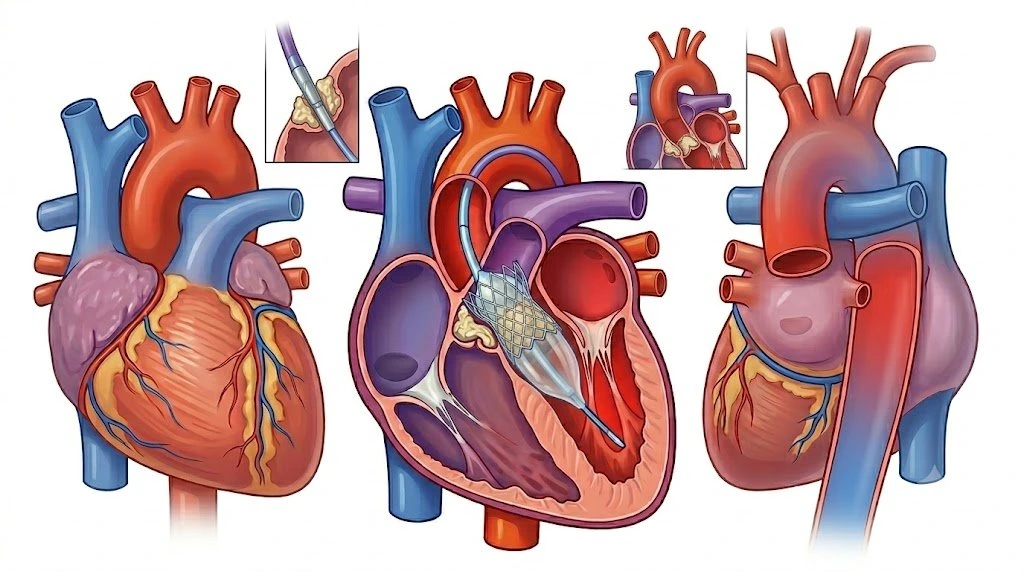
Angioplasty, also called coronary angioplasty or PCI, is a minimally invasive procedure that helps restore blood flow to the heart. A thin tube called a catheter is gently guided through the wrist or groin towards the narrowed artery. A small balloon is then inflated to open the artery.
In many cases, a stent, a tiny mesh tube, is placed to help keep the artery open and promote smoother blood flow.
When Do You Need Angioplasty?
Your cardiologist may recommend angioplasty when a blocked artery is affecting blood flow to the heart. It may be advised for:
Chest pain or discomfort
Shortness of breath
Reduced blood flow to the heart
Heart attack or high risk of heart attack
Significant blockage seen on angiography
What Happens During the Procedure?
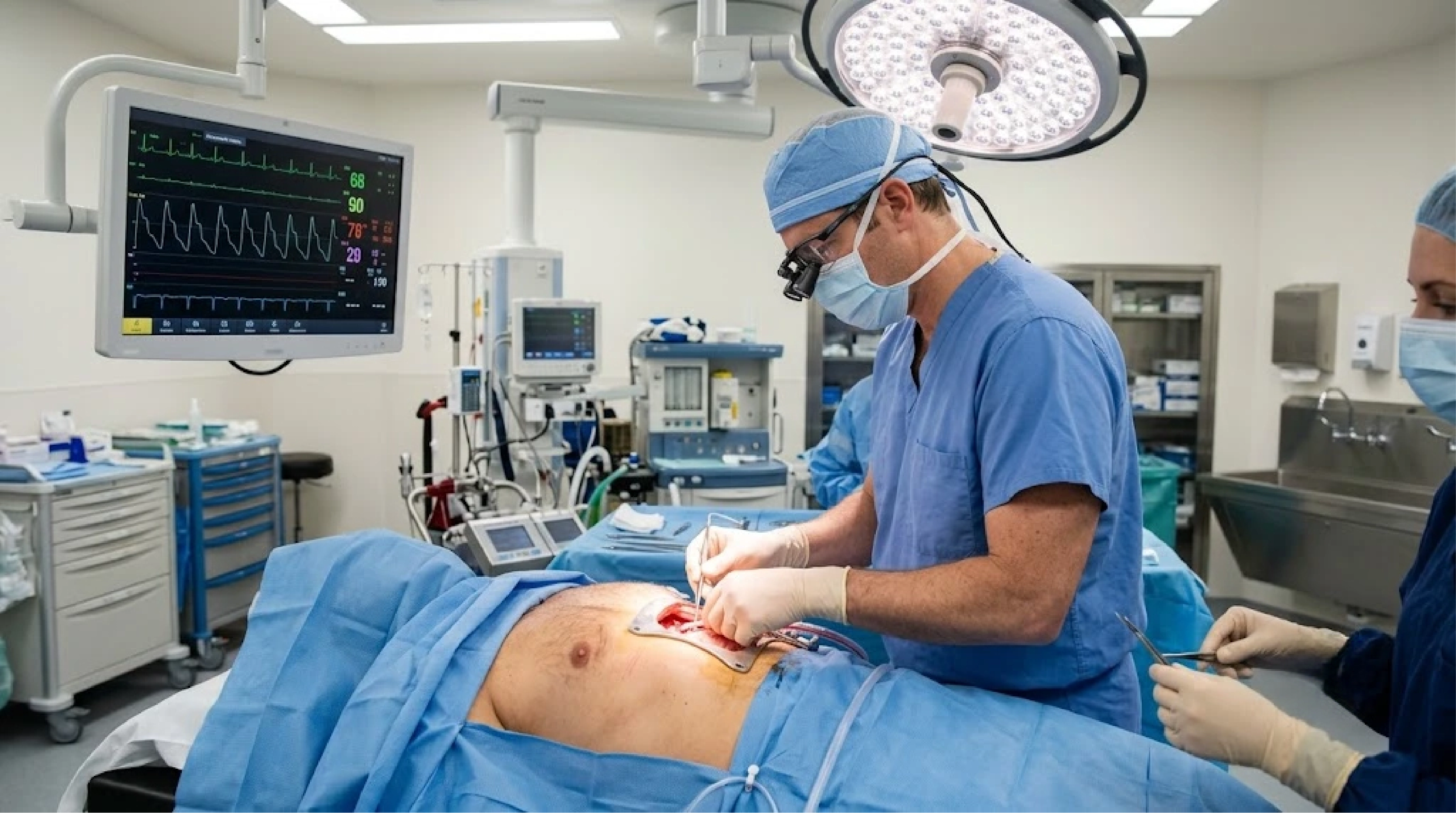
Angioplasty is performed in the hospital by an experienced cardiologist and care team. The area is numbed, and most patients remain awake but comfortable. The procedure usually takes about 30 minutes to 2 hours, depending on the blockage.
A catheter is inserted through the wrist or groin.
The catheter is guided to the blocked artery.
A balloon is inflated to open the artery.
A stent may be placed to keep the artery open.
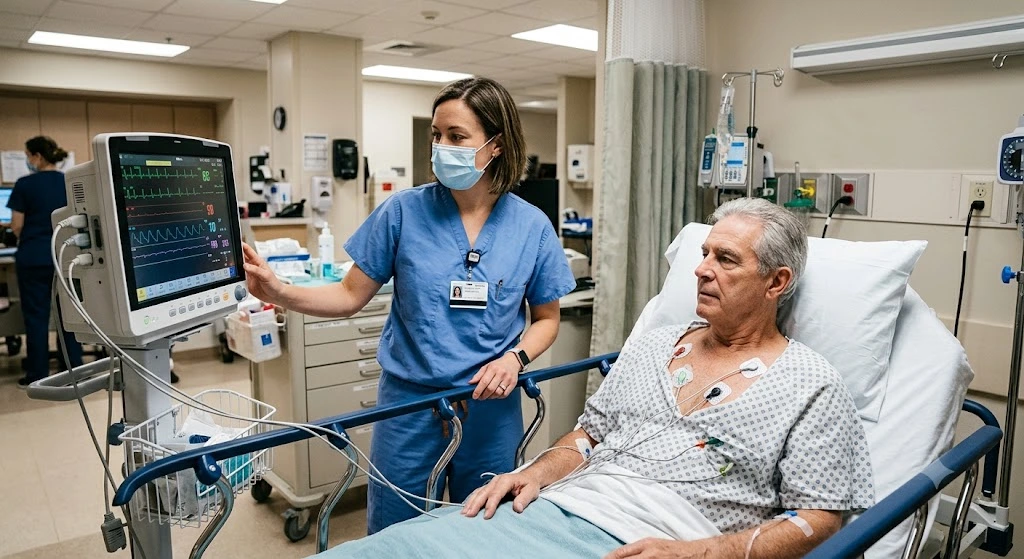
The catheter is removed, and you are monitored during recovery.
Recovery and Aftercare
Most patients stay in the hospital for 1 to 2 days. Before you go home, our team will explain your medicines, activity plan, diet, and follow-up care so you know exactly what to do next.
Take medicines exactly as prescribed.
Avoid smoking and limit alcohol as advised.
Eat a heart-healthy diet.
Walk regularly and return to activity gradually.
Control blood pressure, cholesterol, and diabetes.
Attend follow-up appointments with your cardiologist.
Why Choose Our Cardiology Team?
Our hospital combines experienced cardiologists, advanced diagnostic facilities, modern angioplasty treatment, and patient-centred care to support you before, during, and after the procedure.
We take time to explain your condition, answer your questions, discuss benefits and risks, and choose the safest treatment approach based on your heart health.
Does Angioplasty Cure Heart Disease?
Angioplasty treats the blocked artery, but long-term heart health also depends on regular medicines, healthy eating, gentle exercise, stress control, and routine follow-up care. Small daily changes can make a meaningful difference.
When to See a Heart Specialist
Do not ignore chest pain, shortness of breath, unusual tiredness, dizziness, or pain spreading to the arm, neck, jaw, or back. If symptoms are severe or sudden, seek emergency medical help immediately.
Need expert heart care? If you or your loved one has symptoms of heart blockage or has been advised angioplasty, our cardiology team is here to help. Book a consultation with our heart specialists for timely diagnosis, clear guidance, and personalised treatment.